

From timeless classics to bold modern interpretations, bedroom styles have evolved into reflections of personal taste, lifestyle, and mood. Whether you’re seeking a peaceful retreat, a statement space, or something in between, there’s a style tailored just for you.
This guide will walk you through 31 unique bedroom aesthetics—each with tips, design insights, and actionable takeaways—to help you create a beautiful, functional, and meaningful space. Crafted by Hatch Studio Interior, where design meets purpose.
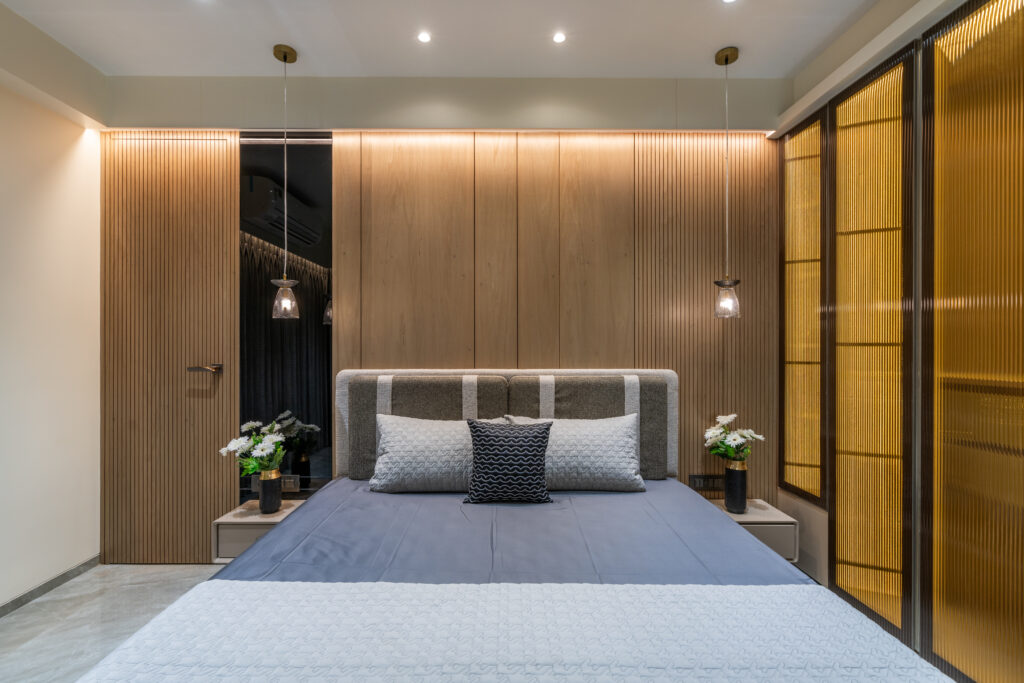
Let your personality shine with playful prints and bright colors. A whimsical bedroom often uses floral wallpaper, textured bedding like boucle, and surprise elements like leopard prints or quirky art.
Pro Tip: Keep larger pieces neutral to avoid overpowering the room and let statement elements do the talking.
Takeaway: Whimsical doesn’t mean chaotic—it’s about thoughtful playfulness.
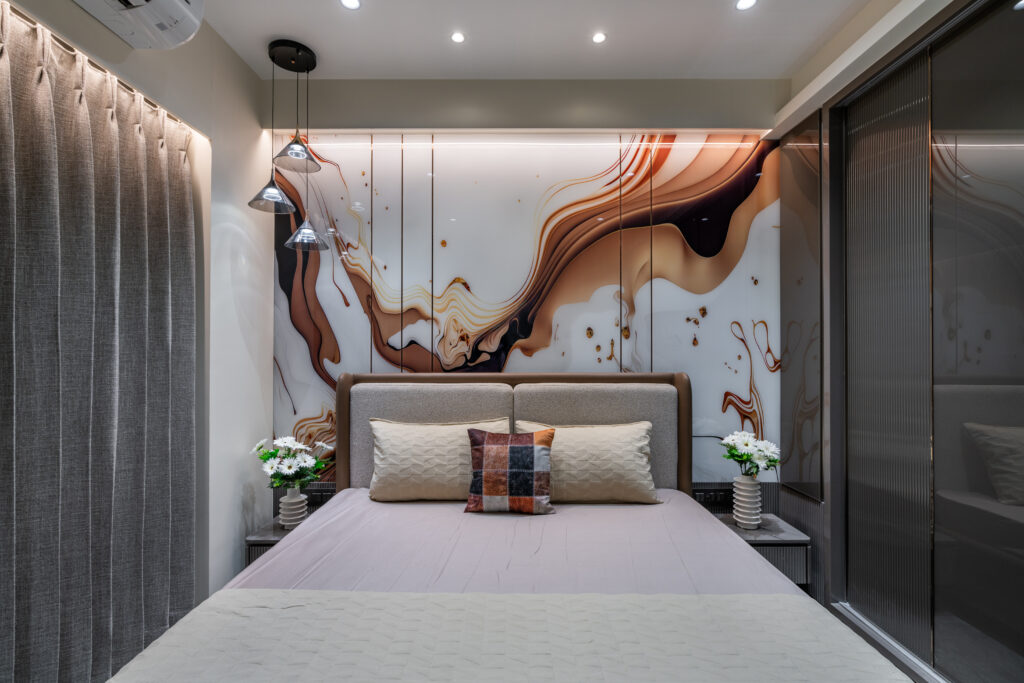
Inspired by the sea, coastal bedrooms feature light tones like soft blues, greens, and white, complemented by natural textures such as rattan and linen.
Pro Tip: Use palm-print wallpaper or soft wave patterns for a subtle coastal nod without being literal.
Takeaway: A beachy feel can be created anywhere with the right palette and textures.
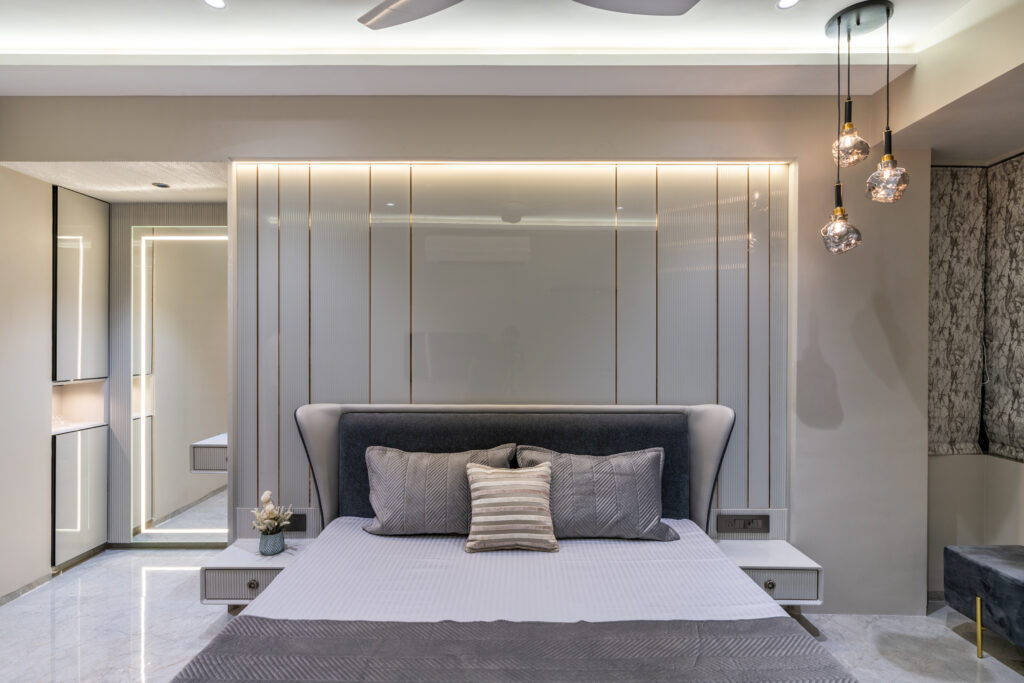
Defined by walnut furniture, clean lines, and vintage charm, this style is rooted in the 1950s-60s aesthetic. Bold art and sculptural lighting complete the look.
Pro Tip: Focus on one or two vintage pieces to anchor the room without making it feel like a museum.
Takeaway: Timeless design thrives on simplicity and function.
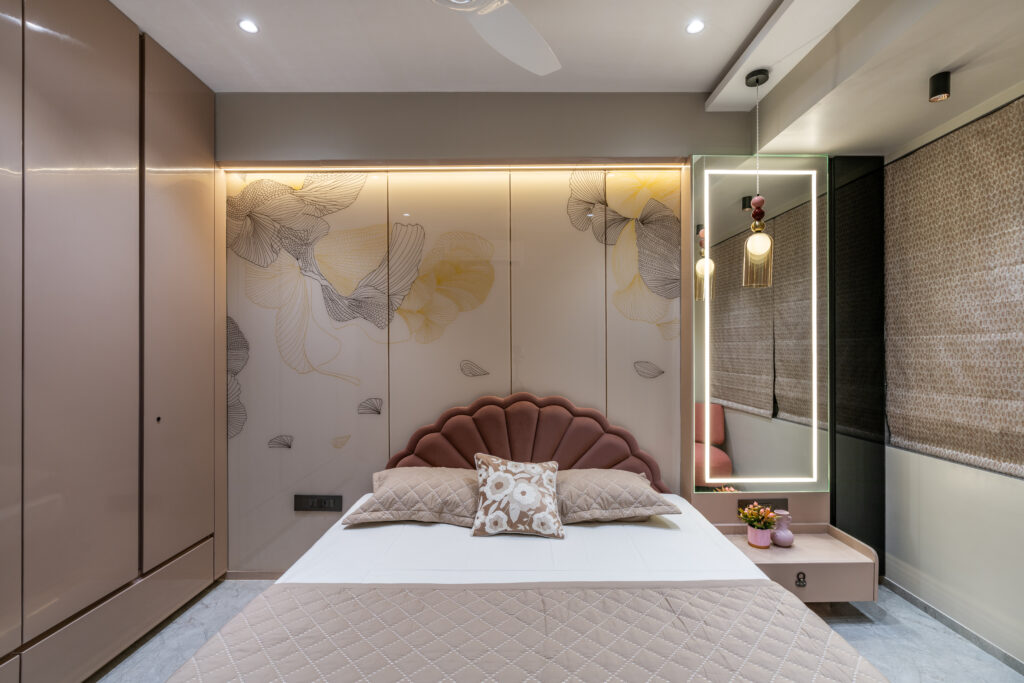
Minimal and efficient, Scandinavian design embraces neutral palettes, natural light, and purposeful furniture. Think white walls, soft fabrics, and clean silhouettes.
Pro Tip: Add a paper lantern fixture and light wood finishes for an authentic Scandinavian touch.
Takeaway: A calm space begins with clutter-free choices.
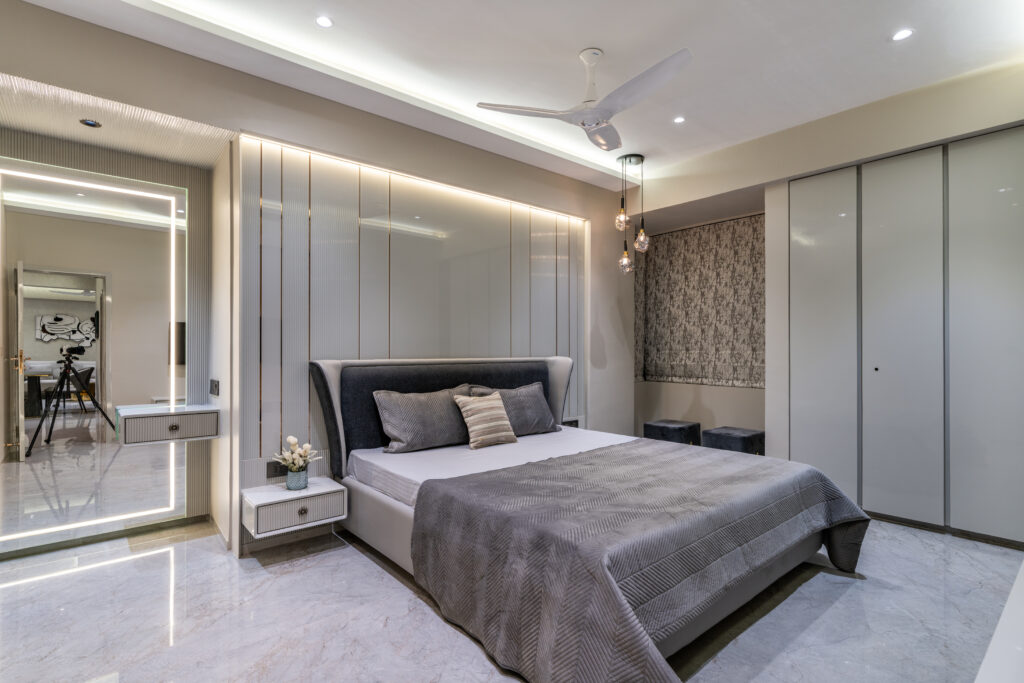
Eclectic bedrooms combine diverse styles—such as boho rugs, midcentury furniture, and glam mirrors—but tie everything together with a consistent color palette.
Pro Tip: Choose a dominant hue to maintain visual coherence.
Takeaway: Eclectic doesn’t mean random—it’s about curating with intention.
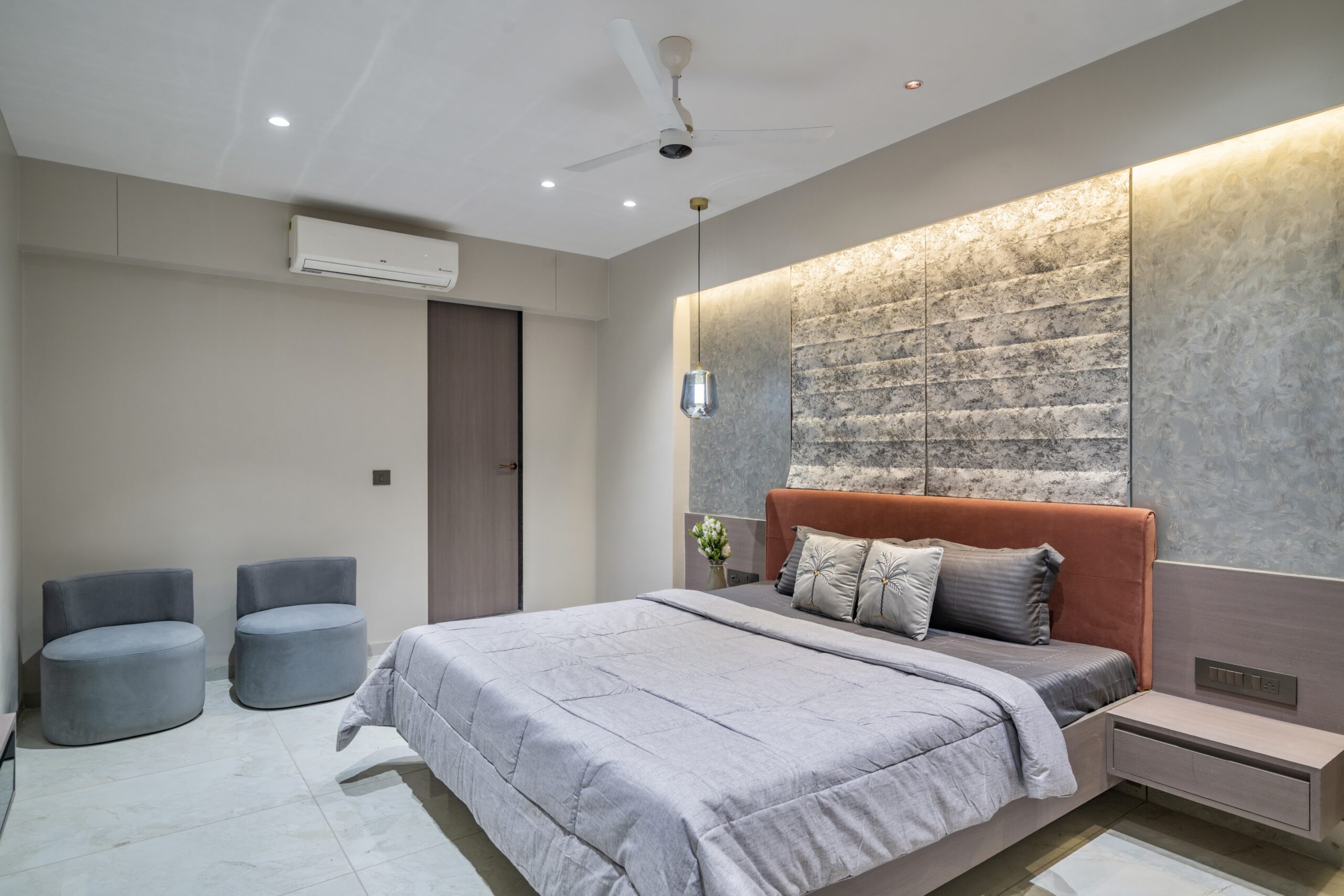
Combining nostalgia with modern sensibility, this style celebrates florals, chintz, and classic furnishings with a youthful twist.
Pro Tip: Add striped patterns or gingham prints to give traditional pieces a fresh look.
Takeaway: Vintage charm and modern flair can beautifully coexist.
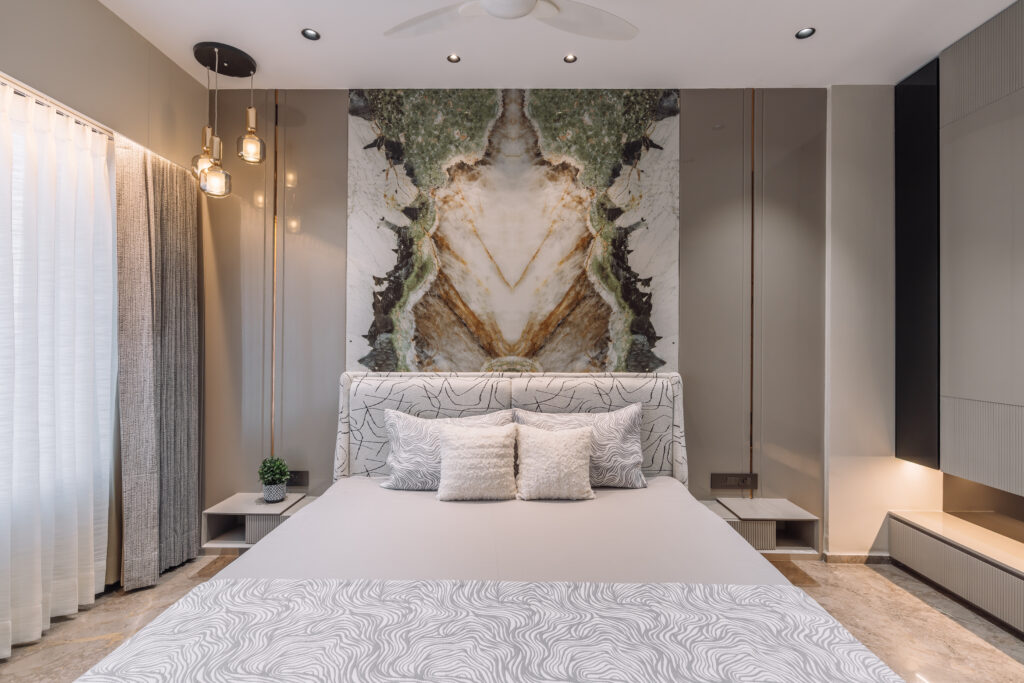
Vintage bedrooms embrace historic charm through antique finds, classic trunks, globe lamps, or colorful headboards.
Pro Tip: Reupholster vintage pieces in contemporary fabrics for added comfort and style.
Takeaway: A vintage bedroom tells a story—your story.
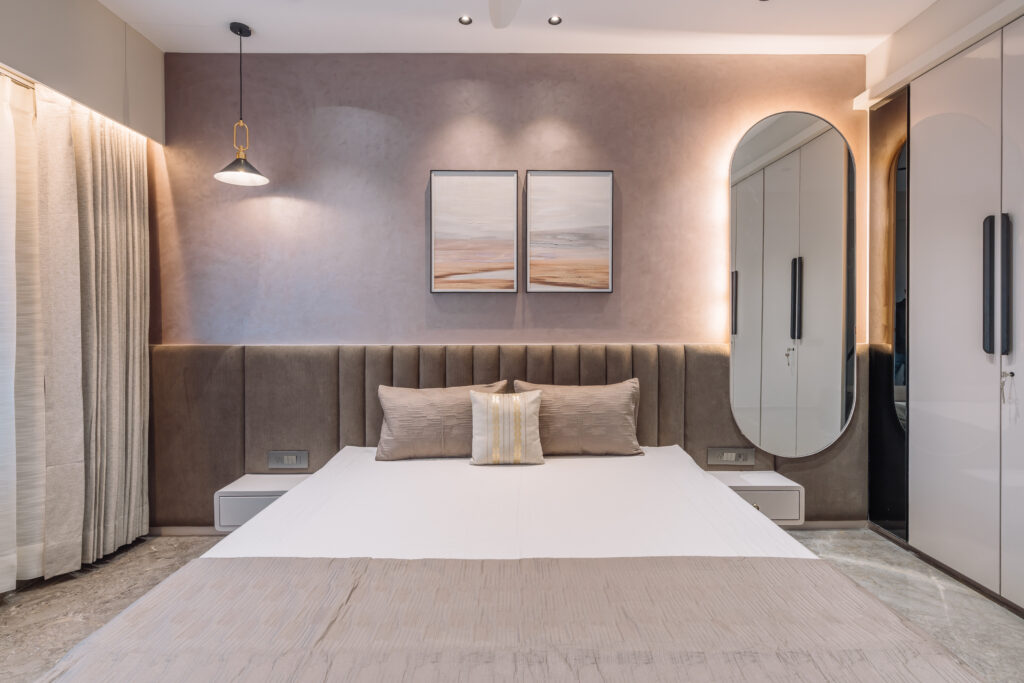
Rustic elegance defines this style, where nailhead headboards meet beamed ceilings and neutral palettes.
Pro Tip: Combine wood with metal accents for a layered, farmhouse feel.
Takeaway: You don’t need to live in the countryside to enjoy farmhouse warmth.
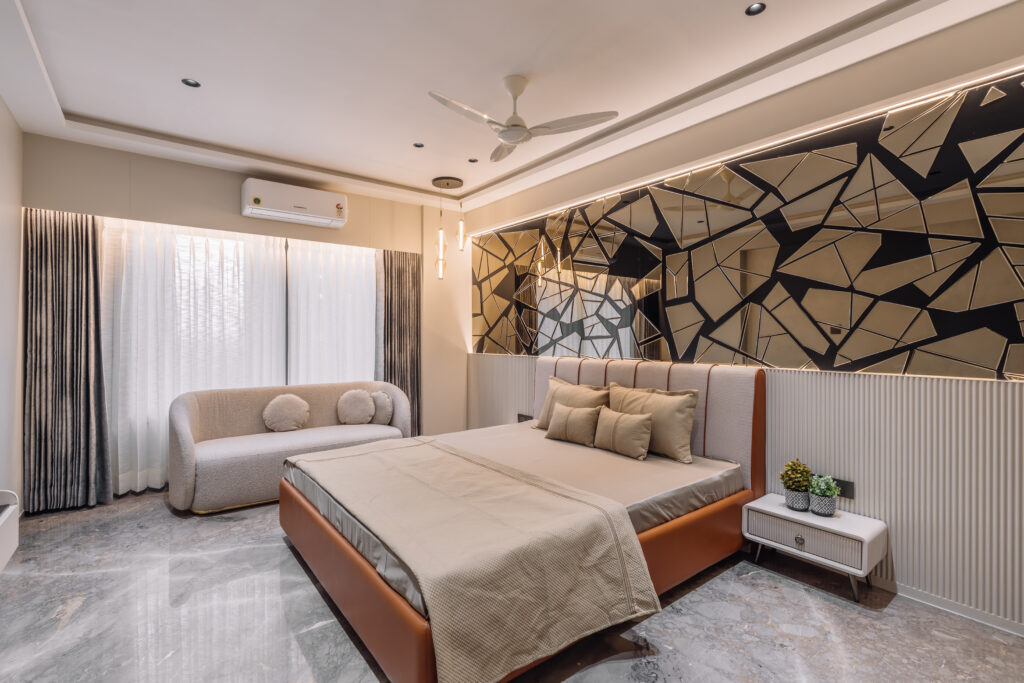
Featuring concrete textures, dark metals, and minimalist design, the industrial look suits urban lofts or city apartments.
Pro Tip: Offset hard materials with warm lighting and soft rugs.
Takeaway: Raw elements can still feel comfortable with balance.
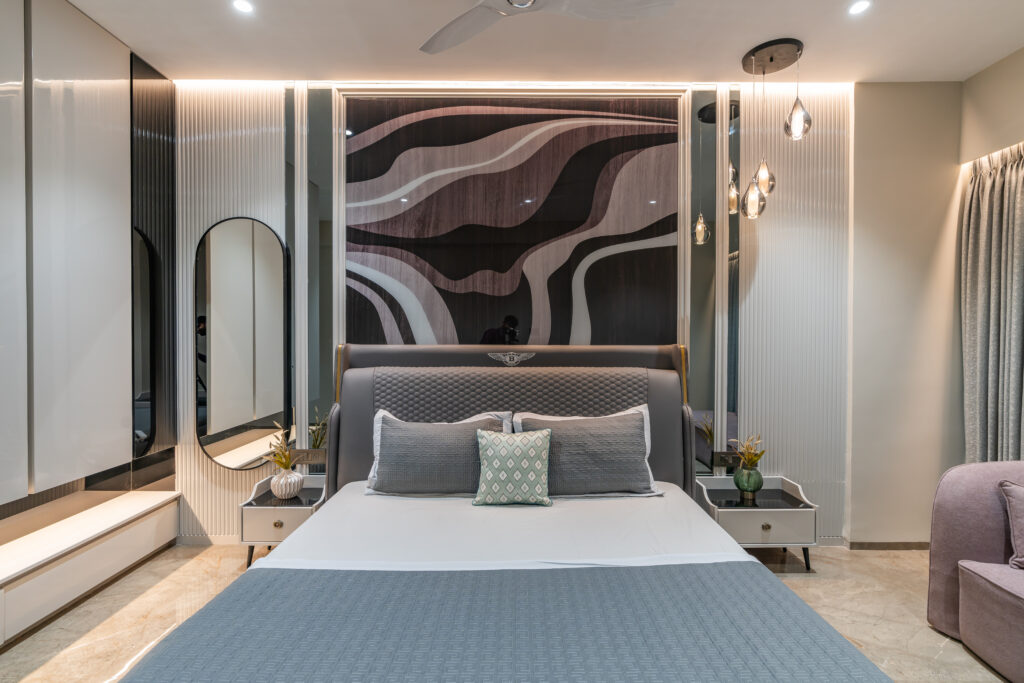
This blend of traditional and contemporary offers flexibility and timeless appeal. Wall molding meets sculptural furniture in transitional spaces.
Pro Tip: Stick to neutral tones to create a versatile design base.
Takeaway: Transitional rooms offer the best of both worlds.
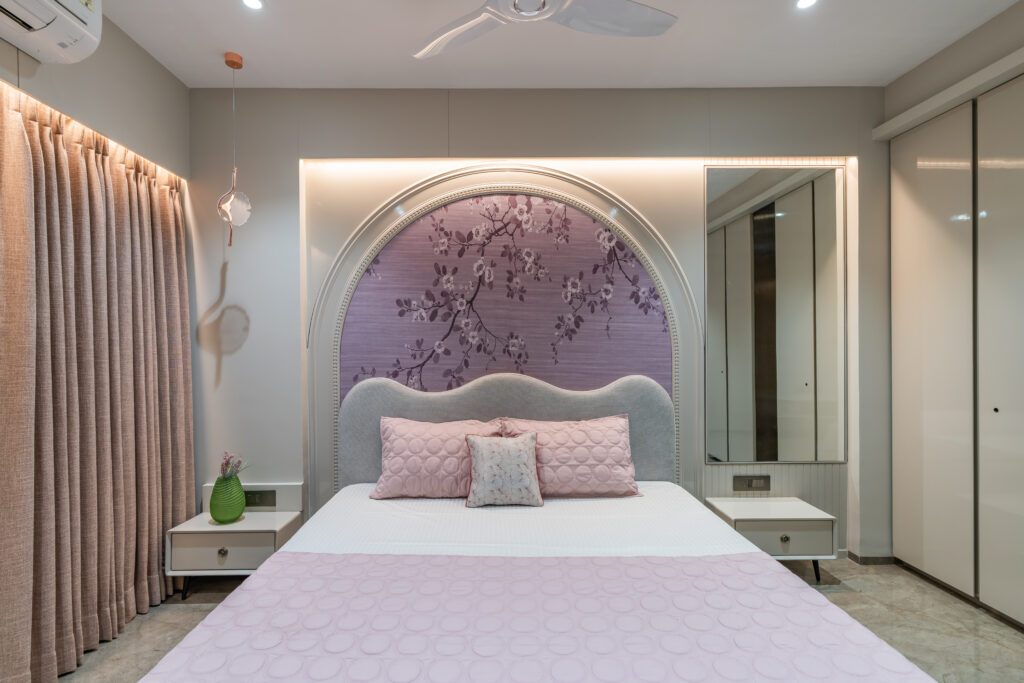
Modern bedrooms prioritize clean geometry, neutral tones, and bold accents like abstract art or sculptural furniture.
Pro Tip: Incorporate color-drenched walls to break monotony.
Takeaway: A modern space is rooted in simplicity, with space to evolve.
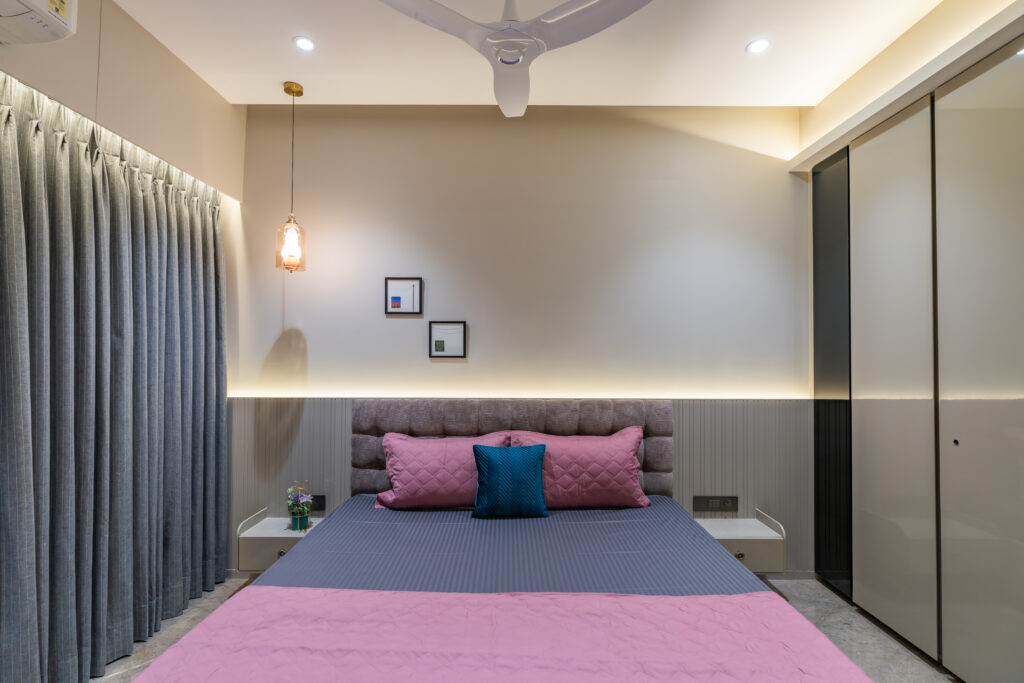
Dark walls, rich textures, and deep hues like navy or forest green define moody bedrooms. These spaces feel intimate and immersive.
Pro Tip: Extend wallpaper onto the ceiling for visual drama.
Takeaway: Don’t fear dark colors—they can be restful and striking.
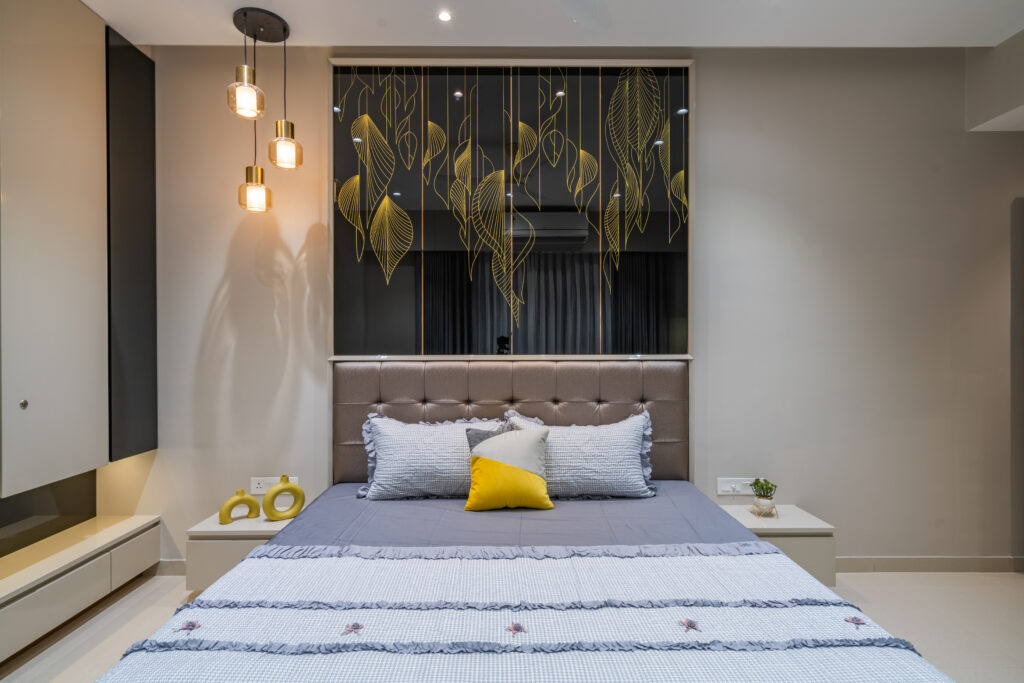
Floral patterns in bedding, wallpaper, or upholstery create an inviting, garden-like atmosphere.
Pro Tip: Fresh flowers on the nightstand elevate the look instantly.
Takeaway: Florals are timeless—just match them with understated furniture.
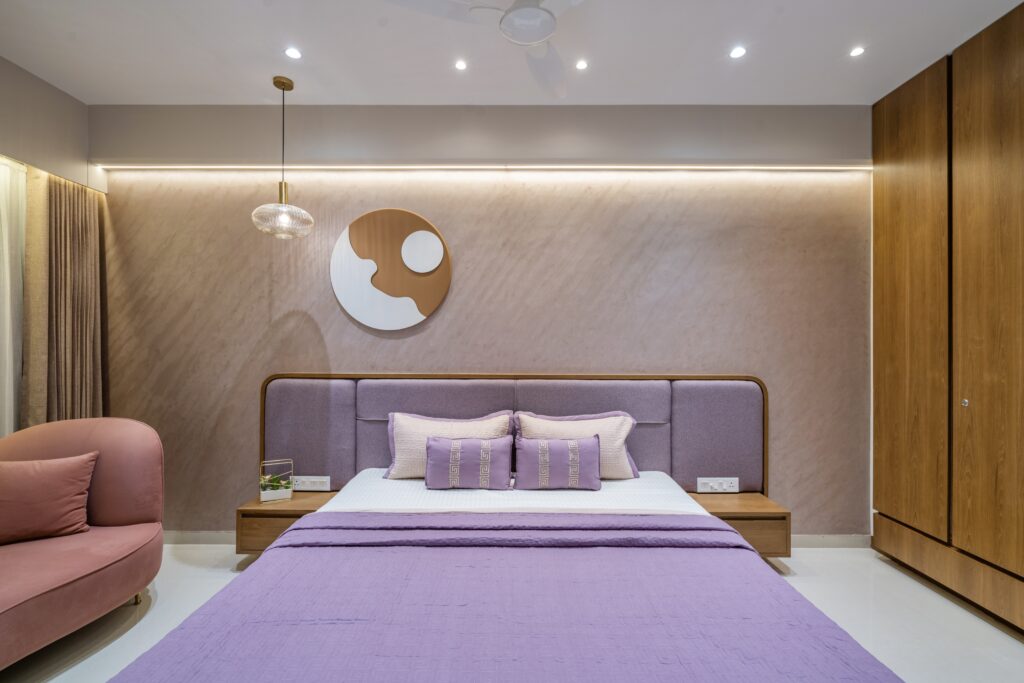
This design approach focuses on essentials—clean lines, neutral colors, and minimal decor.
Pro Tip: Use hidden storage to keep surfaces clean and distractions minimal.
Takeaway: Less truly is more when it comes to restful sleep.
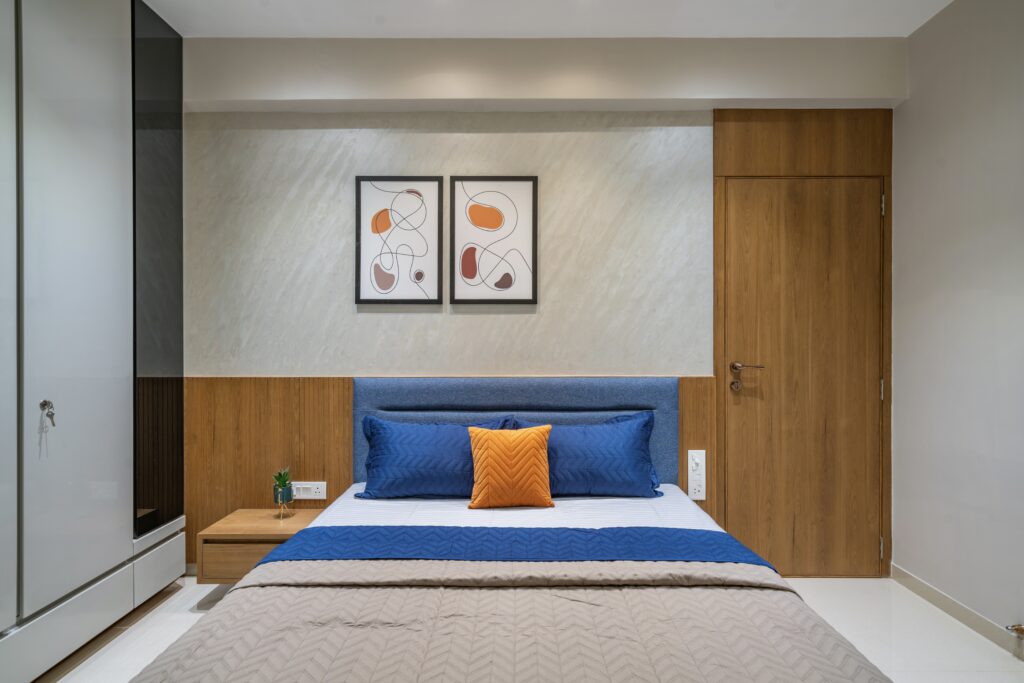
Think velvet throws, metallic finishes, and dramatic lighting. Glam bedrooms feel like upscale hotel suites.
Pro Tip: Incorporate gold or brass hardware for instant elegance.
Takeaway: A bit of luxury goes a long way.
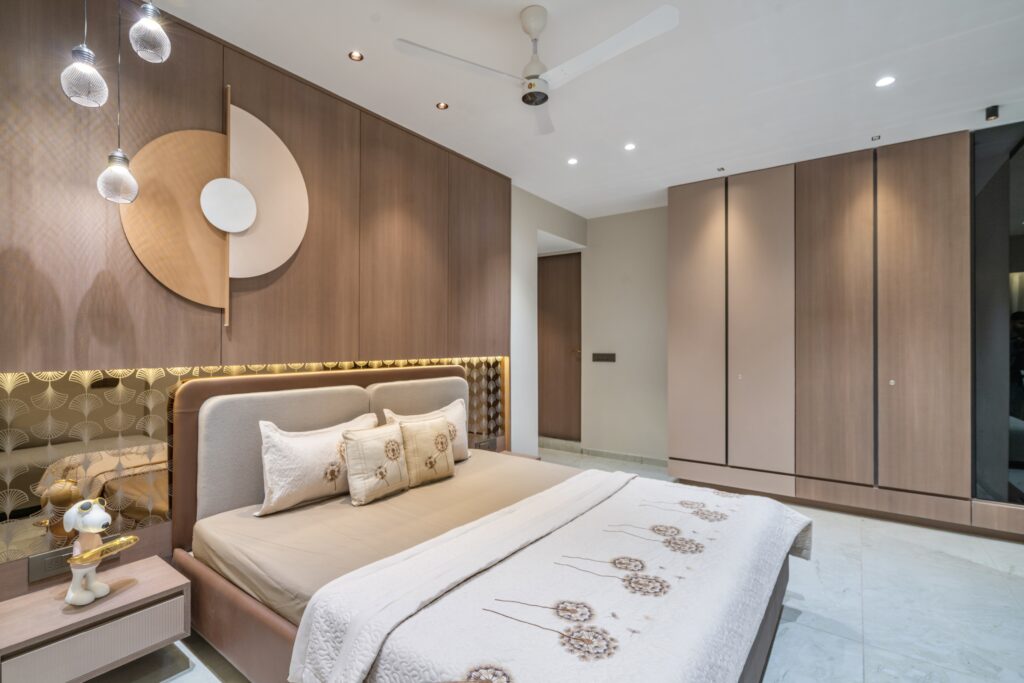
Bold colors, layered patterns, and expressive artwork dominate maximalist spaces.
Pro Tip: Use ceiling designs like stripes or murals for added interest.
Takeaway: More is more—if done with clarity.
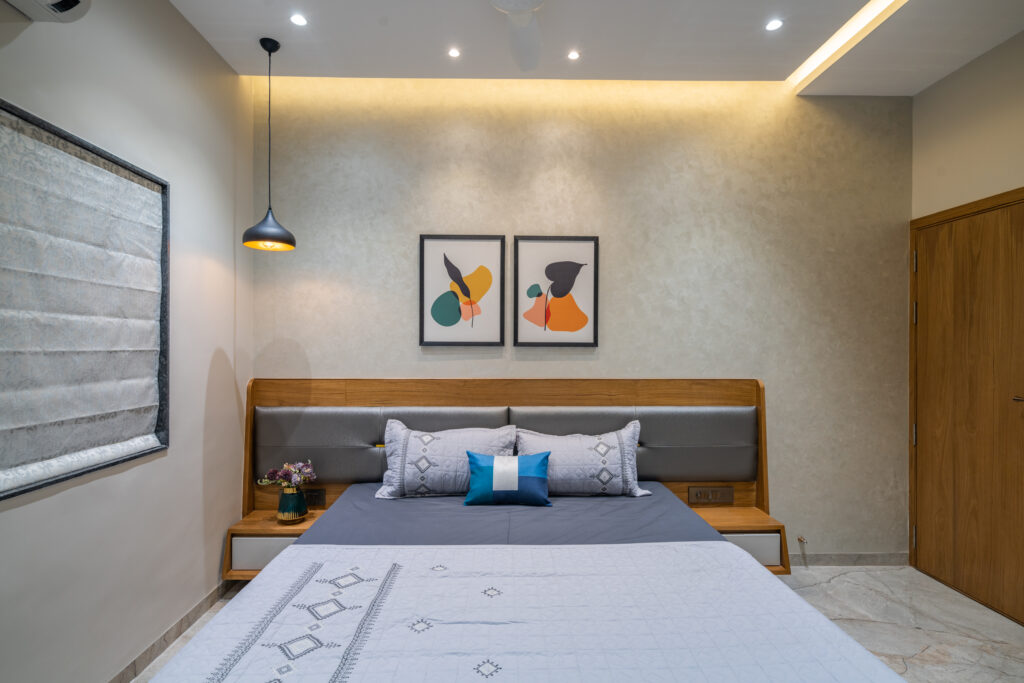
Cottagecore invites you to slow down with rustic wood furniture, botanical prints, and cozy textiles.
Pro Tip: Mix handmade elements like ruffled bedding and hand-painted ceramics.
Takeaway: Embrace imperfections—they make the space feel real.
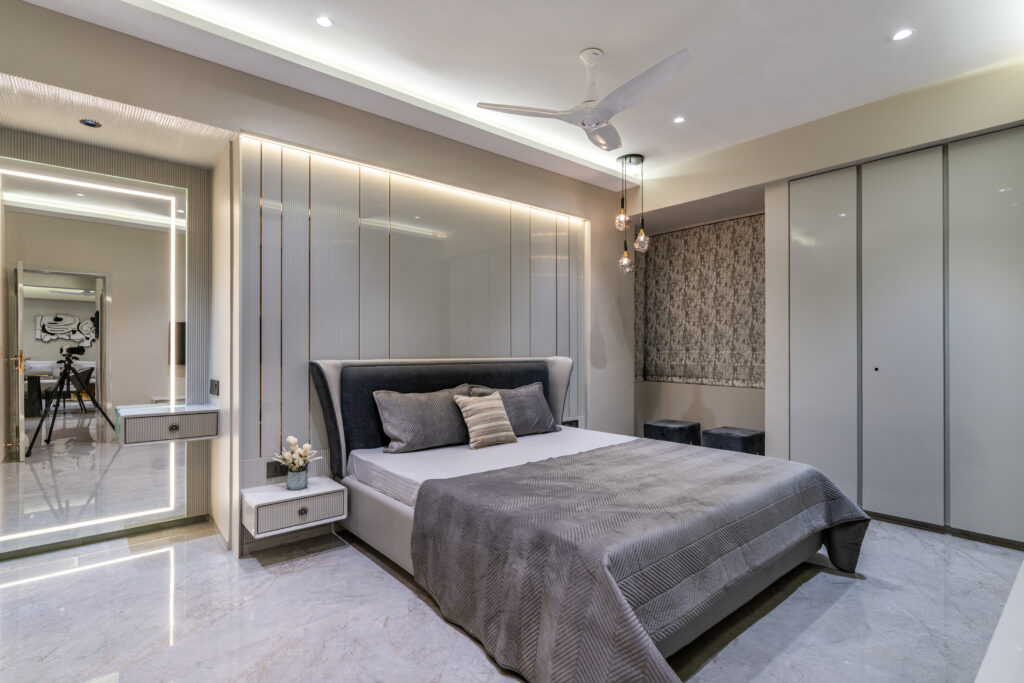
Rustic bedrooms highlight natural materials like stone and wood, paired with earth-tone palettes.
Pro Tip: Add warmth with textured throws and wool rugs.
Takeaway: Nature is the ultimate design muse.
Characterized by ornate details, vintage mirrors, and antique furnishings, this style evokes countryside elegance.
Pro Tip: Combine distressed finishes with soft, pastel linens.
Takeaway: Romance your room with vintage sophistication.
Layered textures, warm tones, and global patterns define this relaxed aesthetic.
Pro Tip: Include macrame wall hangings or woven rugs for texture.
Takeaway: Freedom of expression defines boho charm.
Parisian bedrooms are understated and elegant with touches like gilded mirrors and carved furniture.
Pro Tip: Stick to black, white, and gold for a timeless palette.
Takeaway: Sophistication comes from restraint and detail.
Curves, geometric shapes, and luxurious finishes define this dramatic style.
Pro Tip: Choose symmetrical layouts to highlight the era’s structure.
Takeaway: Art Deco is a celebration of form and glamor.
Soft greys, whites, and beiges combine to create restful, airy bedrooms.
Pro Tip: Mix materials like linen, wood, and ceramic for depth.
Takeaway: Neutrals let you focus on mood and function.
Romantic and vintage-inspired, this look layers distressed furniture with feminine touches.
Pro Tip: Don’t shy away from soft pinks or floral motifs.
Takeaway: Shabby chic is equal parts softness and character.
Inspired by life on the sea, this style incorporates blue and white stripes, maritime decor, and brass accents.
Pro Tip: Stick to a crisp color palette to keep it from feeling too thematic.
Takeaway: A sense of adventure starts with styling.
Easygoing and nature-forward, this style incorporates minimal decor, wood accents, and indoor plants.
Pro Tip: Use natural fabrics like cotton or linen to keep the space breathable.
Takeaway: Relaxation meets style with laid-back design.
Bring the outdoors in with mountain murals, clay tones, and organic materials.
Pro Tip: Introduce live greenery and landscape artwork.
Takeaway: Ground your design with nature’s palette.
A fusion of Japanese and Scandinavian aesthetics, this look values simplicity, craftsmanship, and natural textures.
Pro Tip: Use low-profile furniture and earthy tones.
Takeaway: Harmony and function define Japandi.
Revive past decades with vibrant wallpaper, poster art, and funky lighting.
Pro Tip: Don’t overdo it—anchor retro touches with modern furnishings.
Takeaway: Nostalgia works best when edited thoughtfully.
Classic artwork, rich woods, and symmetry define traditional bedrooms.
Pro Tip: Choose high-quality textiles for a luxurious feel.
Takeaway: Tradition never goes out of style.
Modern comfort meets thoughtful design. Neutral tones, clean lines, and statement decor are key.
Pro Tip: Add dimension through layering and large artwork.
Takeaway: Contemporary design is always evolving with you.
At Hatch Studio Interior, we believe that your bedroom should be a reflection of you—your lifestyle, comfort, and design sensibility. Whether you love bold maximalism or quiet minimalism, our team helps you design a bedroom that’s functional, beautiful, and deeply personal.
Contact Hatch Studio Interior
Website: www.hatchstudio.in
Phone: +91 84602 96292
Email: info@hatchstudio.in
Address: 1008, Shivam Trade Center, Near One World West, S.P. Ring Road, Ambli T Junction, Ahmedabad – 380058
Ready to design the bedroom of your dreams? Get in touch with Hatch Studio Interior and let’s bring your vision to life.
Creating a home that feels truly yours is one of the most fulfilling journeys you can embark on. At Hatch Studio, we believe that great residential interior design is more than aesthetics — it’s about crafting a space that resonates with your personality, meets your needs, and brings you peace every time you step inside.
Whether you’re designing a home from scratch or renovating just one room, here’s a practical and inspiring guide to help you make design decisions that result in a home you’ll cherish for years to come.
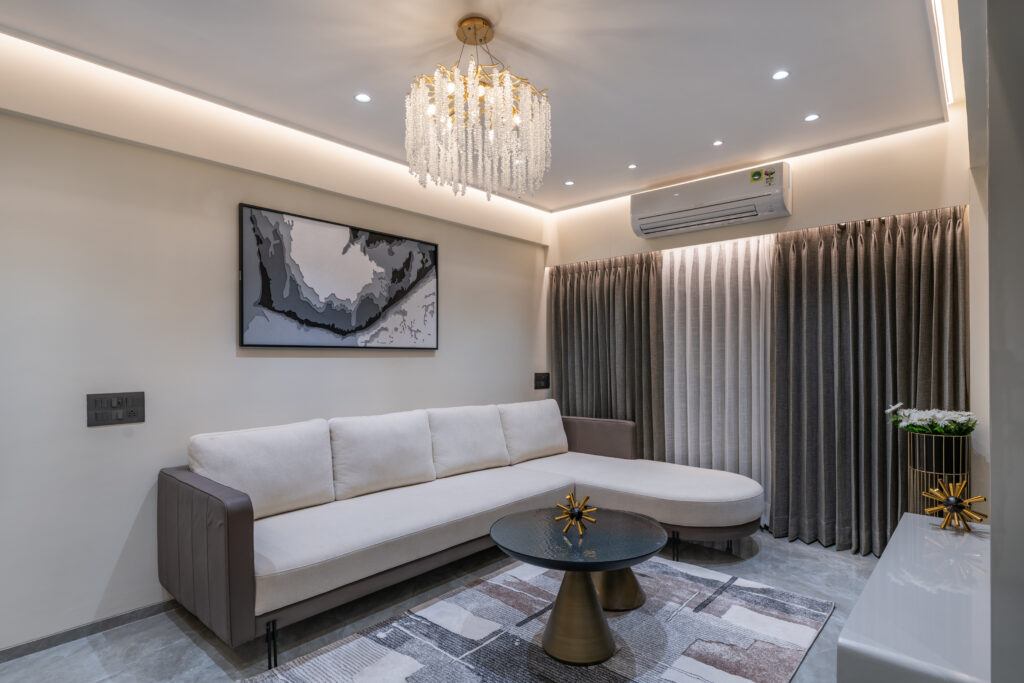
Before picking out furniture or paint swatches, take time to understand your unique style. Do you gravitate toward modern minimalism, warm traditional charm, or eclectic boho vibes? Knowing your preferences helps streamline every decision — from color palettes to textures.
Action Tip: Create a mood board with Pinterest pins, saved Instagram posts, or clippings from interior magazines to identify recurring themes in your taste.
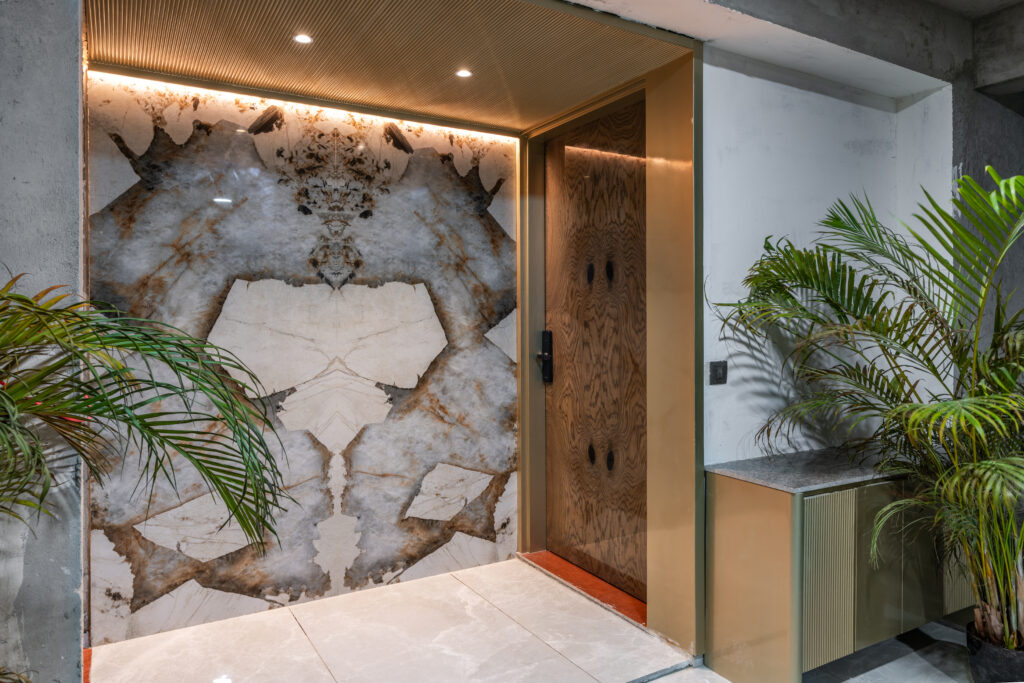
Color isn’t just about style — it’s about emotion. While neutrals like off-white, taupe, and warm grey create a serene backdrop, bold shades like deep navy, forest green, or maroon can make a room feel dramatic and luxurious.
Action Tip: Try the “60-30-10” rule — 60% of your room in a dominant color, 30% in a secondary shade, and 10% in an accent tone (pillows, art, accessories).
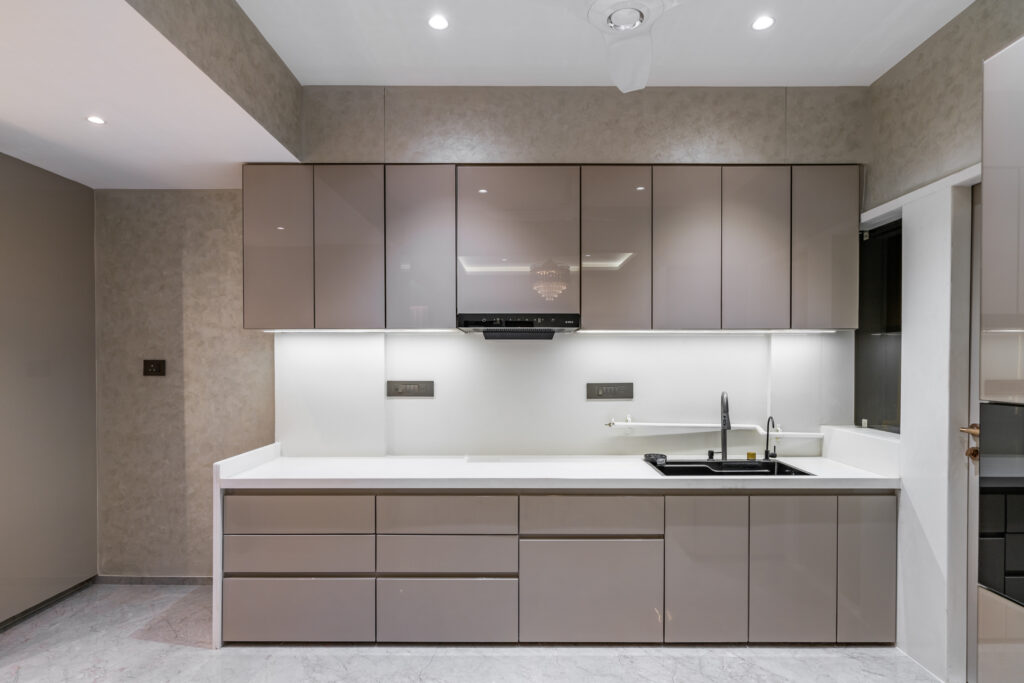
Think of furniture as the backbone of your space. Instead of crowding your home with several low-quality items, opt for a few well-made pieces that are stylish, comfortable, and built to last.
Pro Insight from Hatch Studio: Our designers often recommend custom furniture for a tailored look and optimal use of space. From handcrafted sofas to bespoke storage units, the right furniture transforms your home from generic to signature.
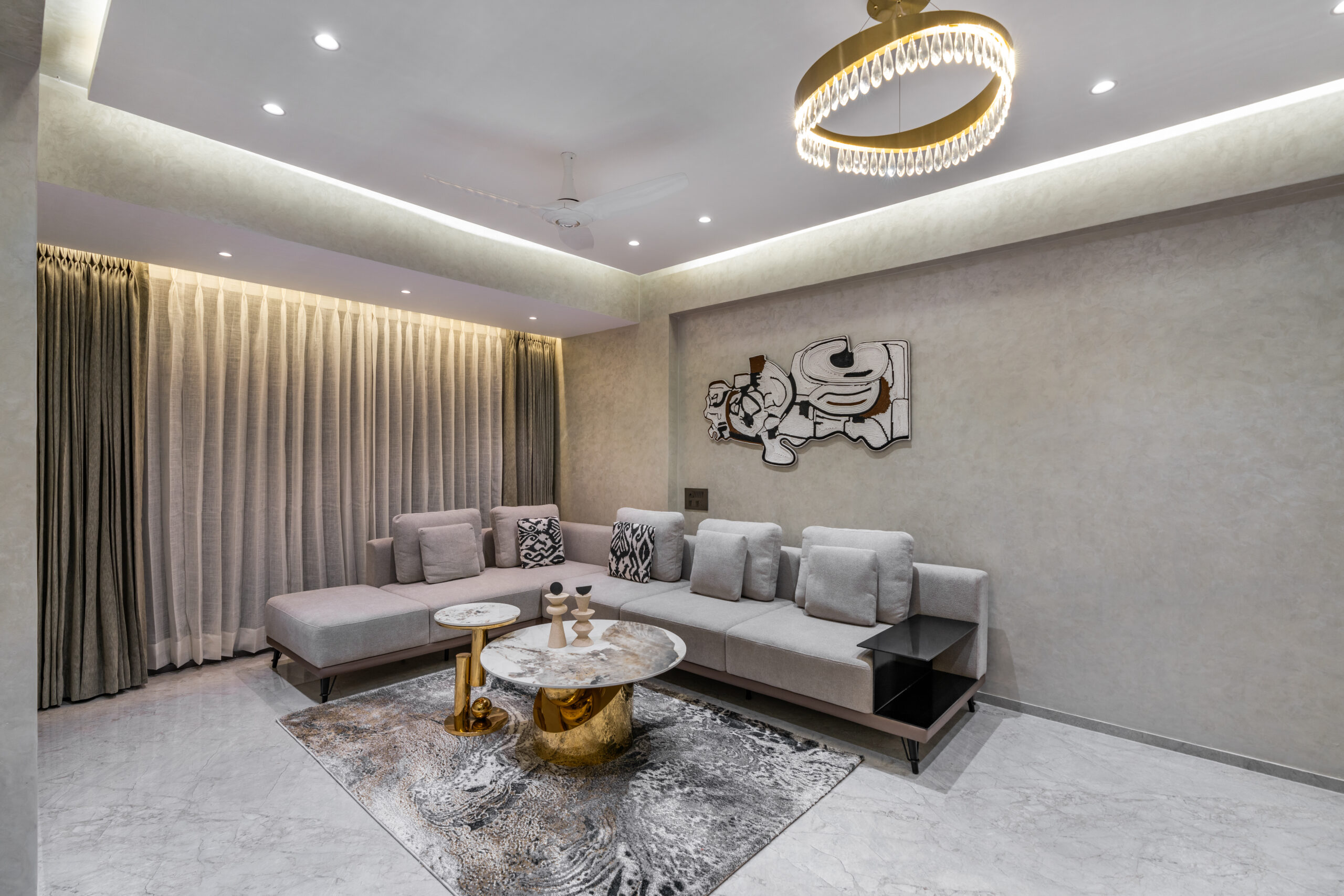
Lighting isn’t just functional—it’s transformational. A well-lit home feels warm, inviting, and versatile.
Action Tip: Use a mix of ambient (ceiling), task (desk/floor), and accent (wall sconces, spotlights) lighting. Don’t forget to embrace natural light with sheer curtains or large windows!
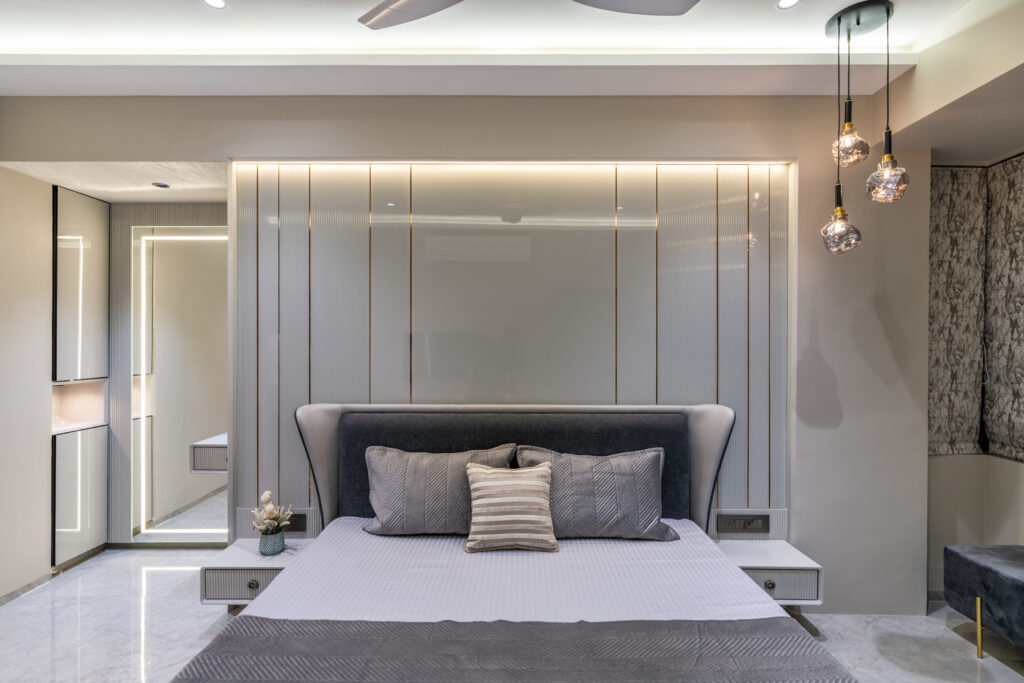
Texture brings depth and coziness to a room. Picture this: a velvet cushion on a linen sofa, a jute rug under a marble coffee table, or a wooden console beside a metal mirror.
Action Tip: Mix materials like cotton, leather, brass, stone, and glass to add richness without clutter.
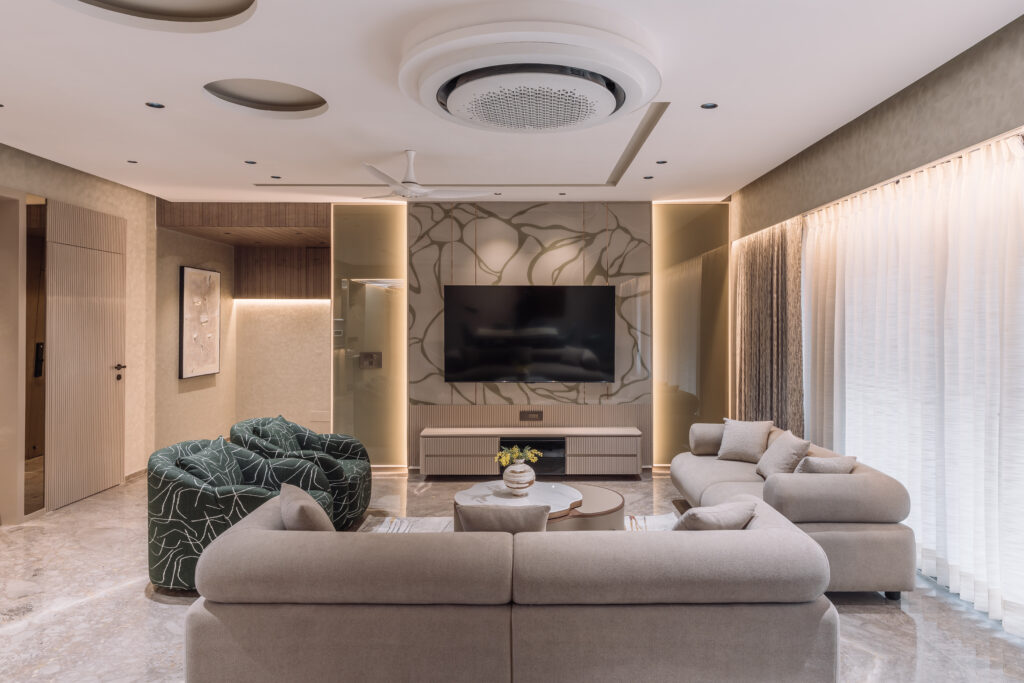
Design should enhance your lifestyle. Think about how each room serves you. Whether it’s a cozy reading nook, a clutter-free workstation, or an entertainment-ready open kitchen, function is just as crucial as form.
Pro Tip: If you’re working with an open floor plan, use rugs, furniture placement, or glass partitions to define each zone while maintaining visual flow.
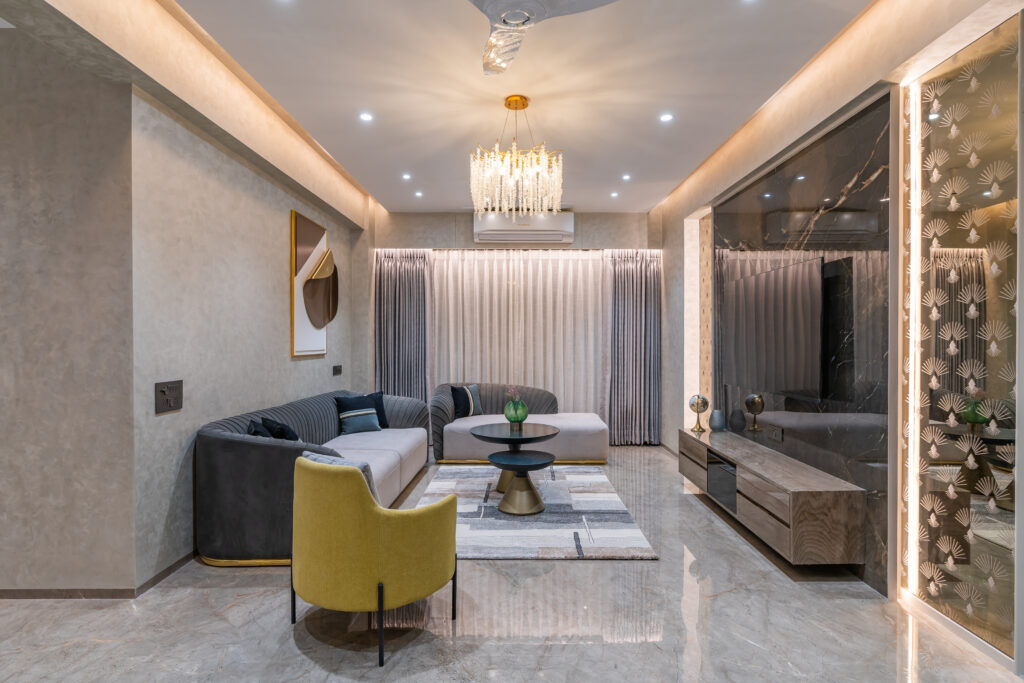
Accessories personalize your space — but they should feel curated, not chaotic. Select meaningful items that tell your story: travel souvenirs, vintage finds, statement artwork, or family heirlooms.
Action Tip: Group items in odd numbers and vary heights and textures to create visual harmony on shelves or coffee tables.
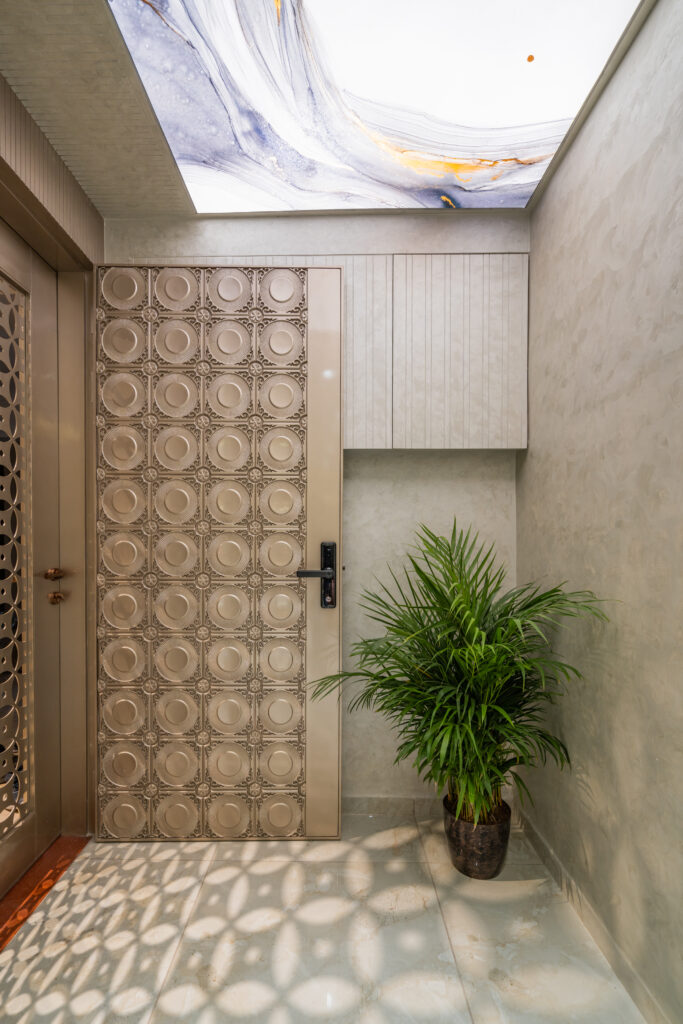
Plants instantly breathe life into any space. They purify the air, improve mood, and add color and softness.
Quick Fix: Start with low-maintenance options like snake plants, pothos, or succulents if you’re not confident with plant care.
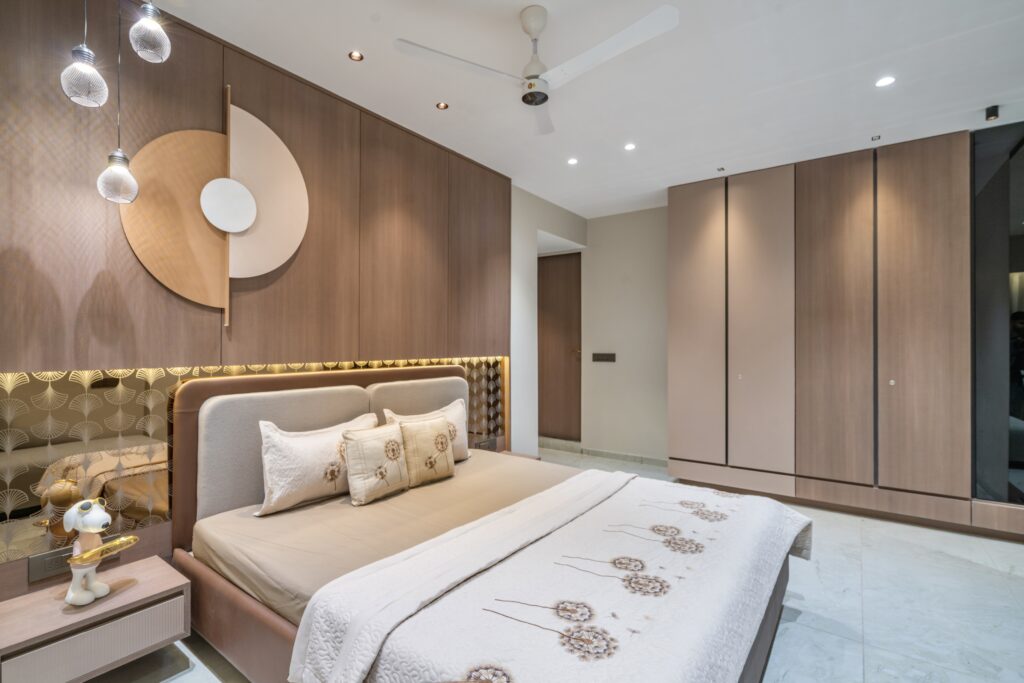
A truly loved home reflects the people who live in it. Add elements that are unapologetically you—photo frames, cherished books, handmade crafts, or a gallery wall of memories.
Action Tip: Dedicate a “memory shelf” in your living or study space — one that evolves with your journey.
At Hatch Studio, our approach to residential interior design is rooted in thoughtful personalization, function-first planning, and a deep sense of storytelling. We work closely with each client to understand their lifestyle, aspirations, and tastes — then translate that into interiors that are as practical as they are beautiful.
From conceptual sketches to final finishes, we ensure every detail reflects your identity. Whether it’s crafting a bespoke color palette, selecting custom furniture, or styling with intention, our goal is to make your house truly feel like home.
Hatch Studio is one of India’s most trusted names in luxury and modern interior design. Our work spans everything from compact apartments to spacious villas, each uniquely designed for the people who live in them.
Contact us today to begin your journey toward a home you’ll love — not just today, but every day.
Visit us at www.hatchstudio.in
Your bedroom is more than a place to rest—it’s your sanctuary, your personal retreat after a long day. Whether you live in a cozy apartment or a spacious villa, knowing how to decorate your bedroom can transform it into a relaxing, functional, and stylish escape. At Hatch Studio, we believe great design starts with intention. Let’s walk you through practical, creative, and beautiful bedroom decoration ideas to help you craft your dream space.
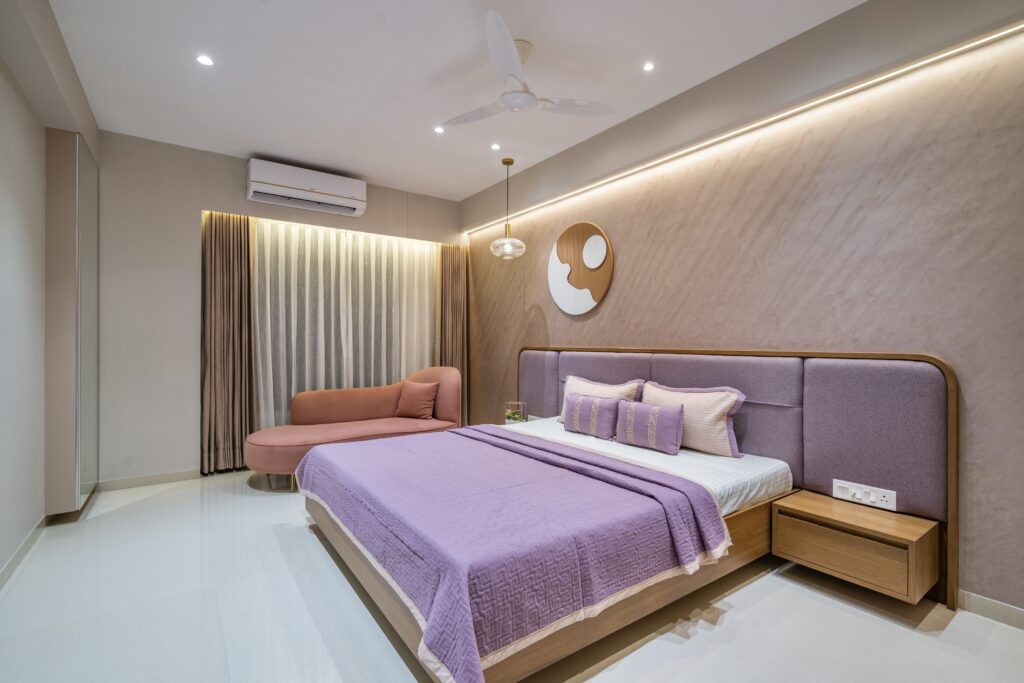
The bed is the focal point of any bedroom, and its size can impact both the visual harmony and functionality of your space.
For small bedrooms, a queen or even a single bed with storage can help you maximize floor space while offering smart utility. In contrast, a king-size bed in a large room adds grandeur and comfort without overwhelming the layout.
Opt for a bed with built-in drawers or a hydraulic lift if storage is tight. Hatch Studio recommends low-profile frames to visually expand small rooms.
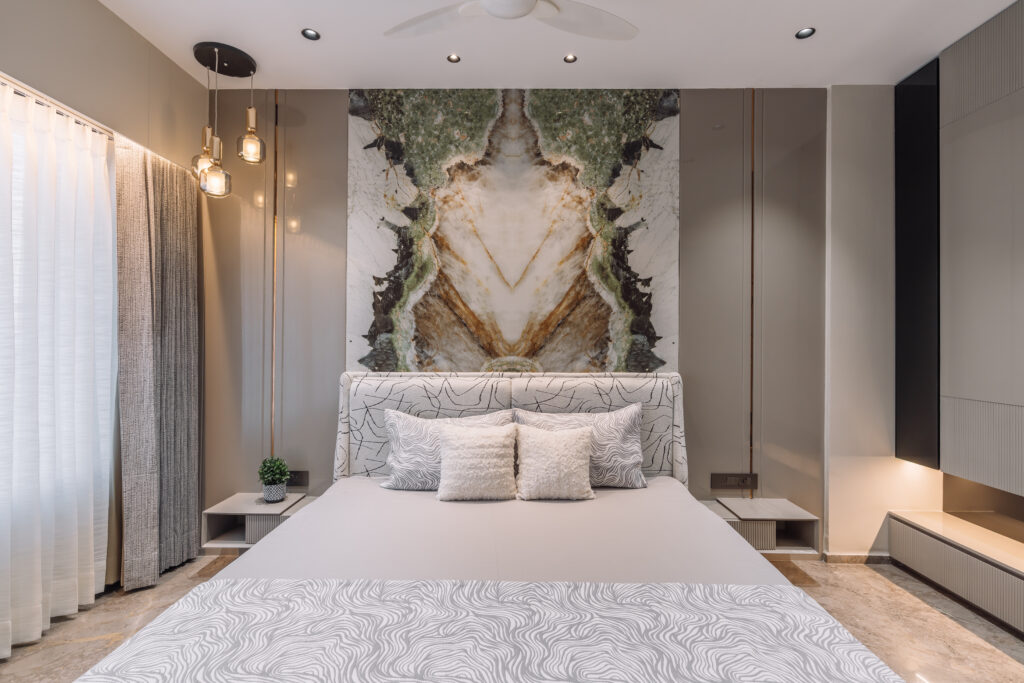
Clutter makes even the most beautifully decorated rooms feel chaotic. A clean space is not only more inviting but also more restful.
One of our clients struggled with scattered accessories and books in a compact guest room. With floating shelves and under-bed organizers, the room was transformed into a tranquil, hotel-style suite.
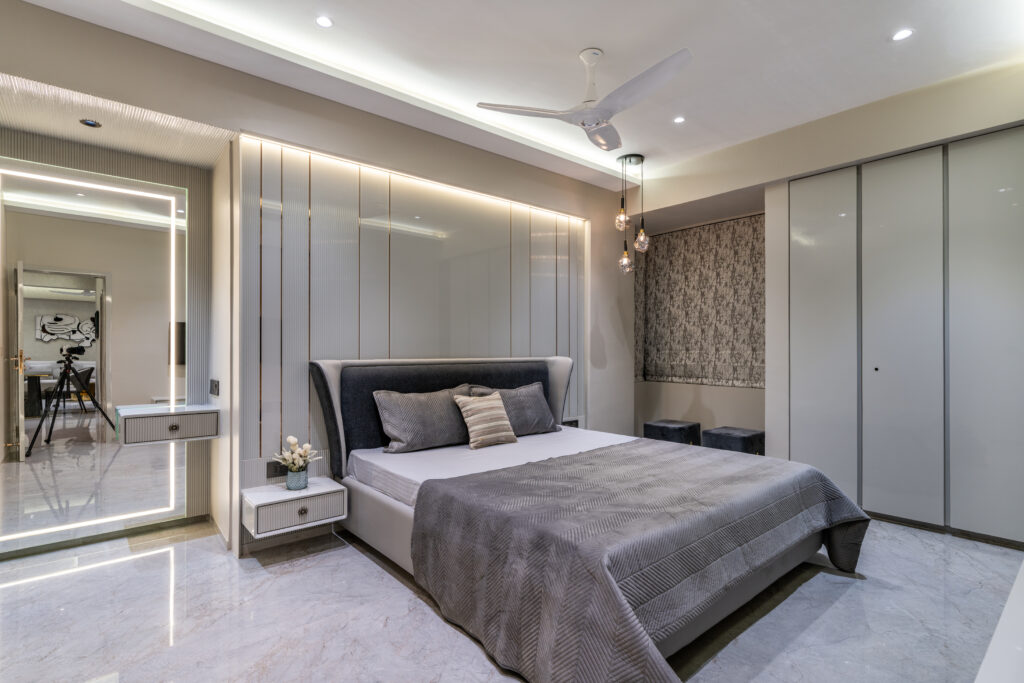
Often the most neglected surface, your ceiling holds potential to elevate your room—literally and stylistically.
Imagine a soft blush pink ceiling with crown moulding in a modern bedroom. It adds unexpected charm and makes the ceiling feel higher.
For a cozy vibe, try a fabric canopy or string lights. For elegance, a statement chandelier paired with a light-toned ceiling can amplify space and light.
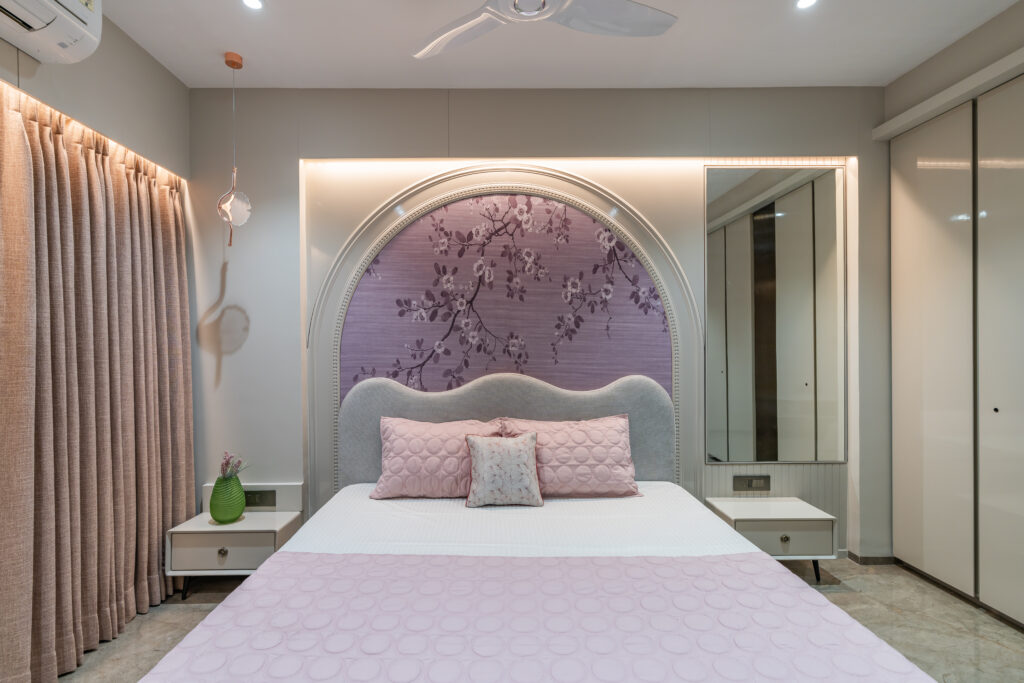
Your bedroom should reflect you—your tastes, habits, and lifestyle. It’s the one space where your style can be fully expressed.
A client who loved travel wanted a boho-themed room. Hatch Studio incorporated woven textures, patterned rugs, and framed travel photos for a cohesive, personal aesthetic.
Don’t be afraid to mix themes that resonate with your personality.
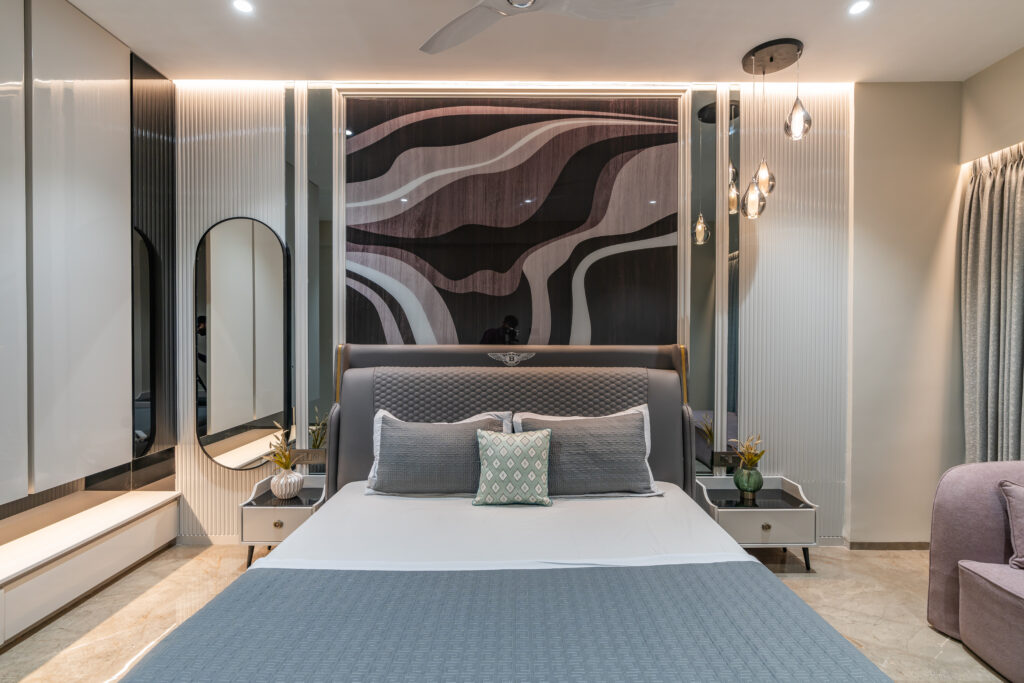
Lighting sets the mood. Layered lighting adds depth, highlights key elements, and enhances usability.
Think of your lighting in three levels:
Use dimmers to shift the vibe from productive to peaceful with a single touch.
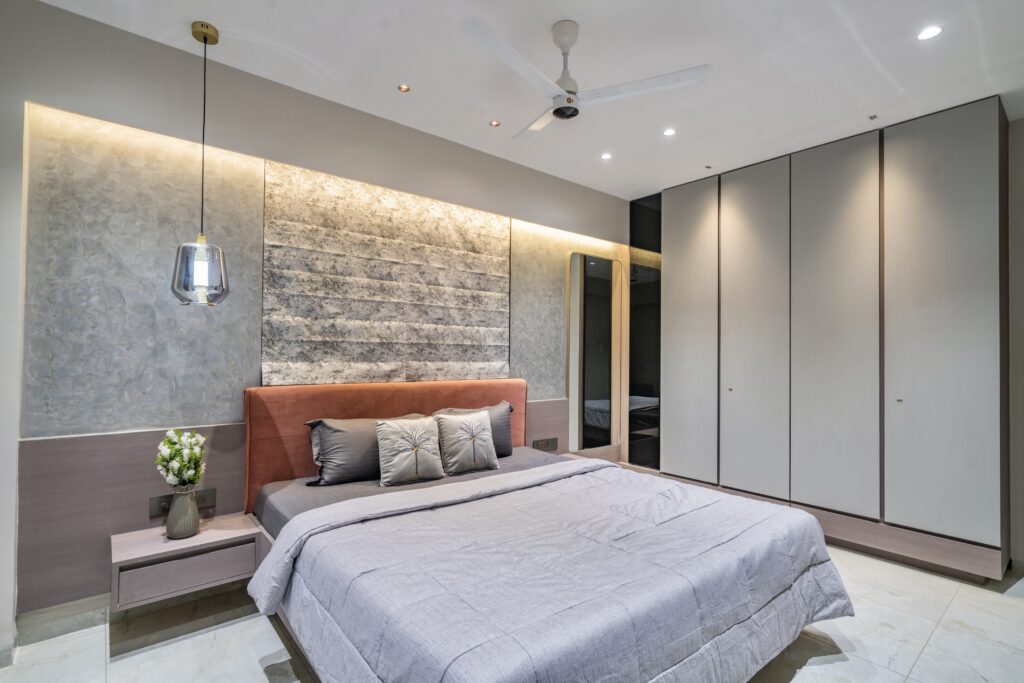
Color influences mood. Soft, neutral tones create calmness, while bold hues energize. Finding the right balance makes your bedroom both beautiful and livable.
In a master bedroom project, Hatch Studio combined beige walls with navy blue accents and brass fixtures for a soothing yet stylish palette.
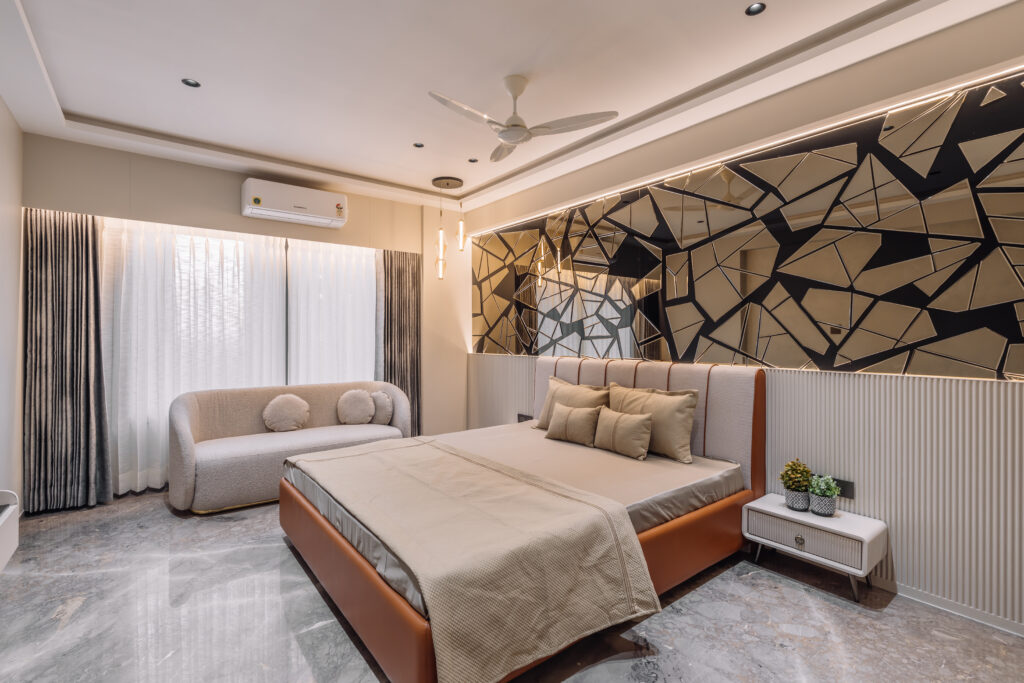
A dream bedroom feels lived-in and loved. Personal elements bring warmth and uniqueness to the space.
Display framed photos, use a signature scent, or add a cozy reading nook with your favorite chair and books.
Use texture—like faux fur throws, quilted bedding, or a patterned rug—to make the room tactile and inviting.
At Hatch Studio, we understand that decorating a bedroom isn’t just about aesthetics—it’s about lifestyle. Our expert interior designers provide customized solutions, from layout planning and color consulting to choosing the perfect lighting and furnishings.
Whether you’re tackling a small bedroom makeover or planning a complete bedroom renovation, Hatch Studio guides you at every step. We ensure your bedroom isn’t just stylish, but a true extension of your personality and needs.
Decorating your bedroom is about more than following trends. It’s about creating a space that supports how you live, rest, and recharge. With thoughtful design, smart planning, and a bit of creativity, your bedroom can become the dream space you’ve always wanted.
Let Hatch Studio help you bring your vision to life—because every dream space begins with a well-designed room.
Hatch Studio’s Guide to Long-Lasting, Stylish Finishes for Modern Indian Homes
When you’re designing a home that’s built to last—and impress—every material matters. At Hatch Studio, we’re always on the lookout for finishes that combine durability, beauty, and function. One of our go-to solutions? PU Paint on wood.
Polyurethane (PU) paint is a high-performance coating that’s quickly become a favourite for Indian homes. Whether you’re renovating a kitchen, upgrading wooden furniture, or designing contemporary cabinetry, PU paint delivers exceptional value.
This guide will walk you through everything you need to know—from how PU paint works to where you should use it in your next Hatch Studio project.
PU Paint stands for Polyurethane Paint, a tough, protective layer made from polyurethane—a durable polymer used to safeguard and beautify surfaces. It creates a smooth finish while defending against:
Real Scenario from Hatch Studio:
We recently refurbished a coastal vacation home where fluctuating humidity wreaked havoc on traditional finishes. Our solution? PU-coated wardrobe shutters and wooden trims. The results were stunning and weather-resistant—exactly what the client needed.
From Chennai’s tropical heat to Bengaluru’s monsoon downpours, Indian homes demand finishes that can stand the test of time. PU paint’s performance under such conditions makes it a top choice in our interior design projects.
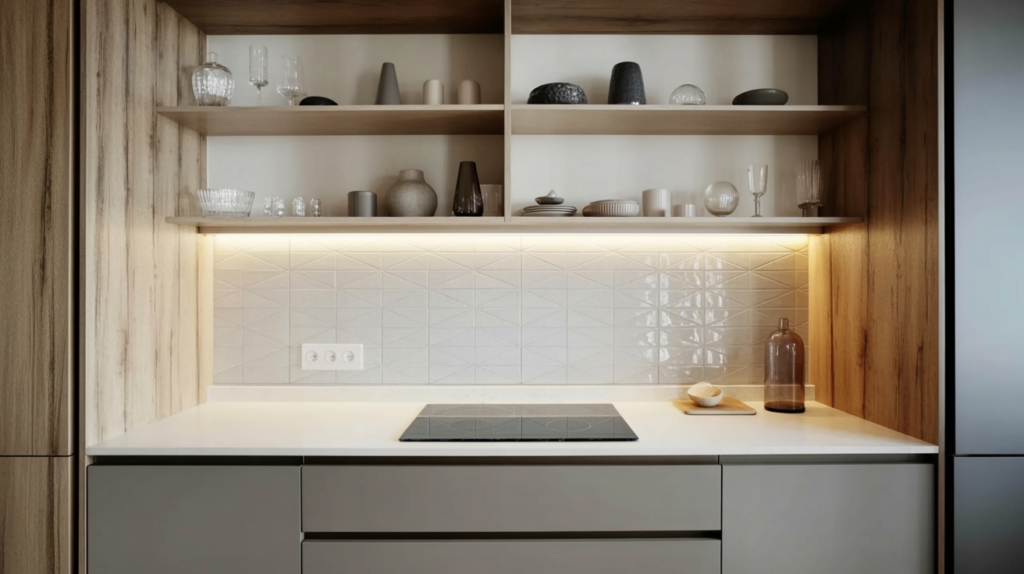
Hatch Studio Tip:
Go for PU finishes in high-traffic areas like entryways or open kitchens. You’ll thank yourself later when the surfaces look just as good, year after year.
Depending on the project scope and surface requirements, we recommend different PU paint types:
Hatch Studio Pro Insight:
For premium interiors, we often opt for 2K PU with a fine matte finish. It offers an elegant, understated look that lasts for years without dulling.
PU paint is versatile—whether you’re working with wood, metal, or even composite materials. Here’s where Hatch Studio typically applies it:
Design Highlight from Hatch Studio:
In a recent project, we paired dark walnut PU-coated kitchen cabinets with brass handles and a marble countertop. The contrast created a timeless look—and the PU kept the cabinets safe from heat, stains, and splashes.
Choosing PU paint isn’t just about colour—it’s about performance. At Hatch Studio, we guide our clients through the following checklist:
| Selection Criteria | What to Consider |
|---|---|
| Surface Type | Are you painting wood, MDF, metal, or composite? |
| Room Function | High-traffic zones = high-durability finishes |
| Finish Style | Matte for rustic; glossy for modern, clean lines |
| UV & Weather Exposure | Choose UV-resistant PU for exteriors or sunny balconies |
| Environmental Safety | Use water-based PU in bedrooms, nurseries, or closed spaces |
Hatch Studio Tip:
Stick to trusted brands like ICA Pidilite. Their Finezza PU series combines Italian technology with Indian durability—perfect for high-end interiors.
PU paint isn’t just another finish—it’s a statement of quality. Whether you’re furnishing a modern villa or renovating a compact city apartment, it gives you the aesthetic you want and the protection you need.
Quick Recap:
- Tough, beautiful, and easy to maintain
- Works across wood, metal, and floors
- Available in both eco-friendly and heavy-duty formulations
- Tailored solutions available through Hatch Studio’s curated design process
Let Hatch Studio help you make the right design decisions—from materials to finish. Our interior design experts will guide you in selecting PU paint solutions that suit your lifestyle, budget, and vision.
Contact Hatch Studio today for a personalised design consultation.
Because the right finish isn’t just about looks—it’s about living well.
A kitchen isn’t just where meals are prepared—it’s where moments are shared, stories are told, and days often begin. One of the most effective ways to elevate this space is by choosing the right modular kitchen laminate design.
At Hatch Studio, we design kitchens that go beyond function. We blend design intelligence with real-life needs, making your kitchen both stylish and practical. Let’s explore five stunning laminate design ideas that can redefine your culinary space with beauty, purpose, and lasting appeal.
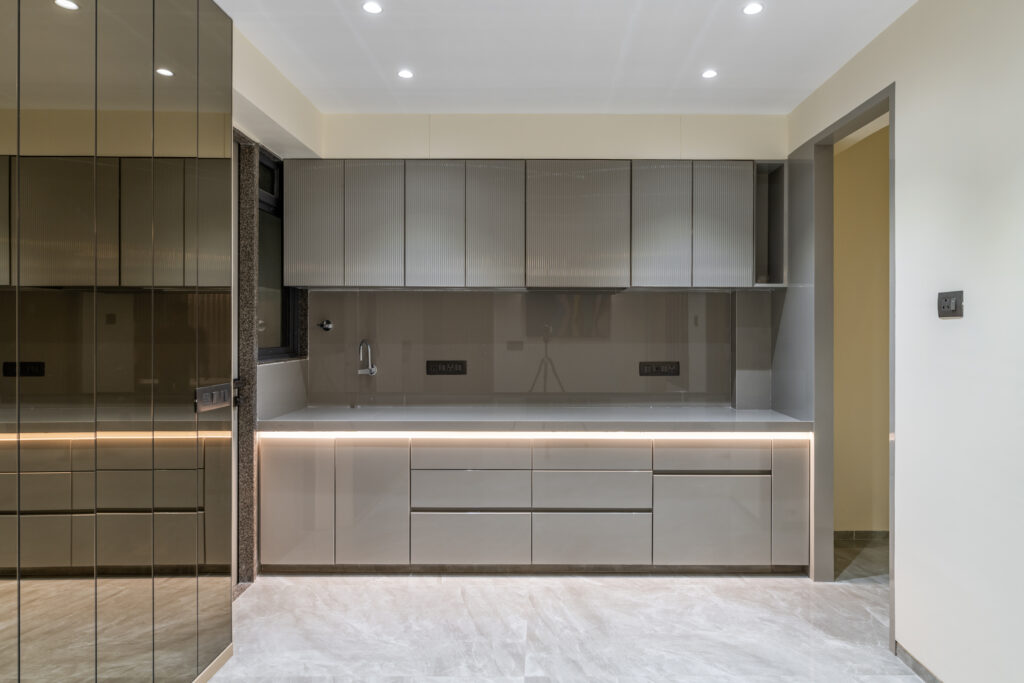
Think cozy, organic, and welcoming. Woodgrain laminates replicate the charm of natural wood without the maintenance hassle. Whether your kitchen leans traditional or modern, this design adds a grounded, nature-inspired warmth.
Use vertical grain laminates on tall cabinets to add height and openness to smaller kitchens.
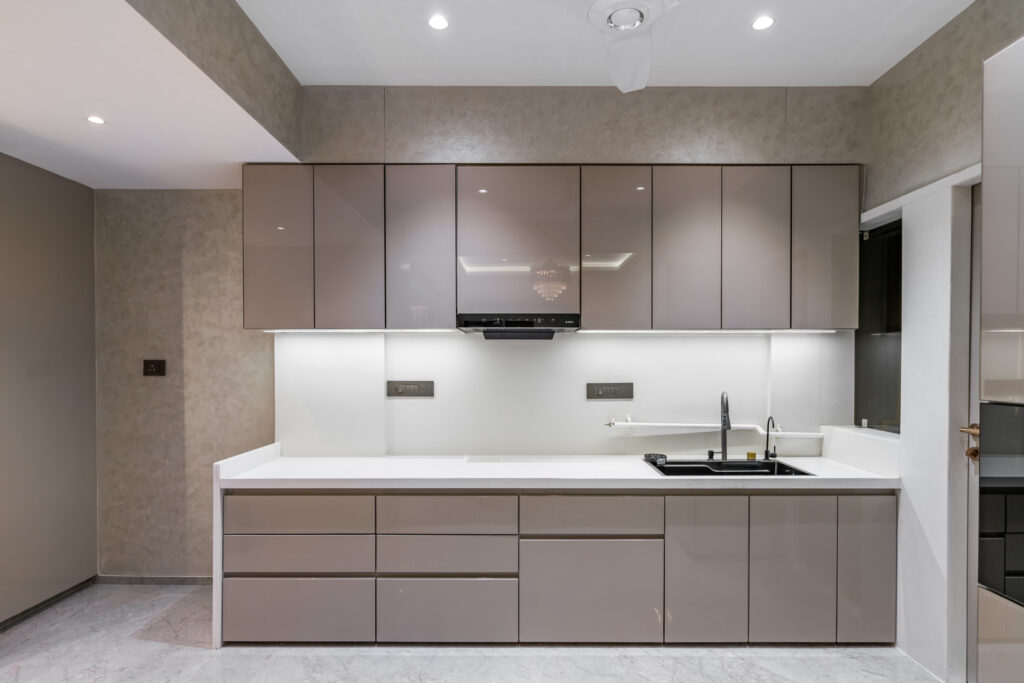
Short on space or natural light? Glossy laminates can instantly enhance your kitchen’s brightness. Their mirror-like finish reflects light beautifully, creating the illusion of a bigger, airier space.
Combine high-gloss white or pastel shades with chrome or stainless steel fixtures for a polished, ultra-modern look.
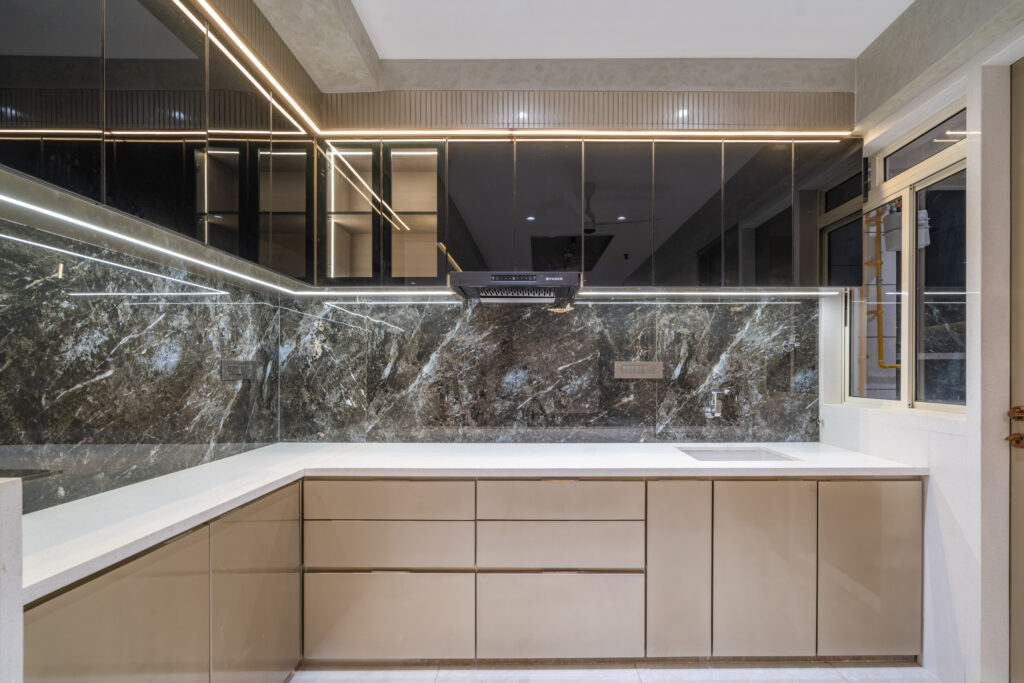
If you want your kitchen to look and feel premium, textured laminates are a go-to. These tactile surfaces can mimic fabric, stone, metal, or even concrete, adding layers of depth and richness to your kitchen design.
Pair textured laminates with open shelving or matte finishes for a balanced and curated look.
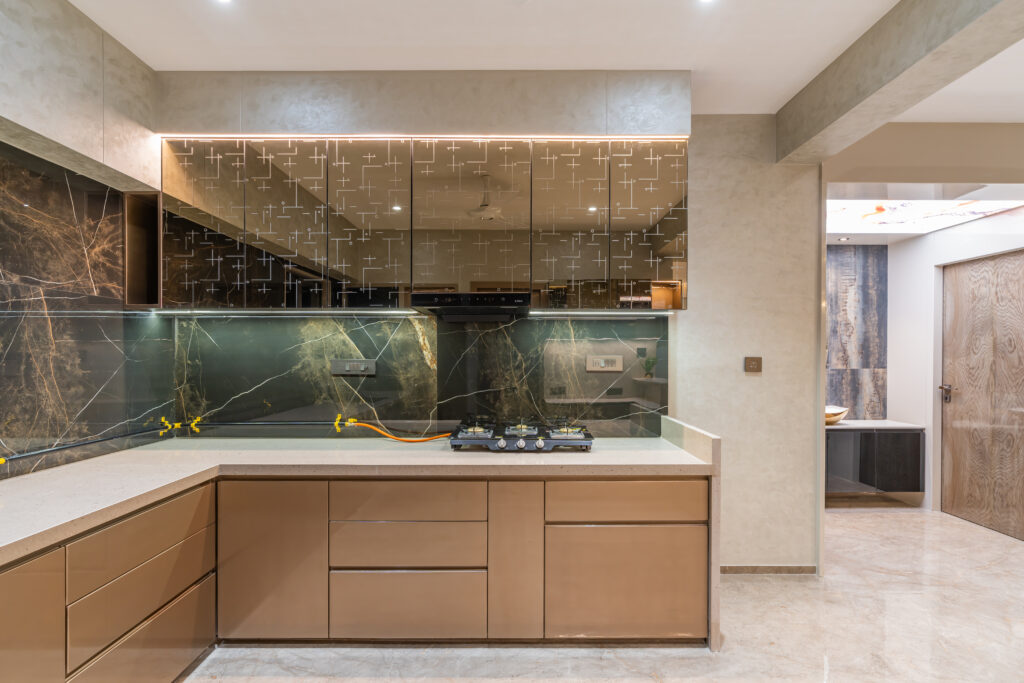
For those who love expressive design, patterned laminates are the perfect way to infuse personality. Whether you’re into Moroccan tiles, art deco, or quirky geometrics, patterns add artistic flair.
Limit bold patterns to a single section (like a backsplash or island) to prevent visual overload.
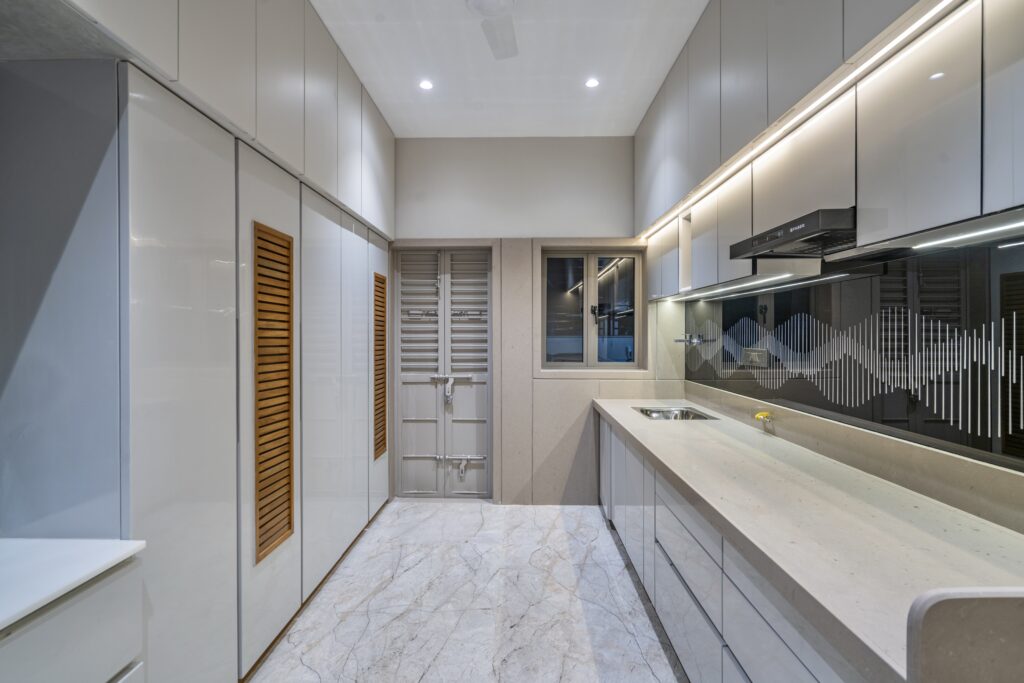
Looking for a fuss-free, adaptable design? Solid color laminates provide a clean, timeless base that lets you play with accessories, lighting, and contrasting materials.
Neutral matte finishes like beige, taupe, or grey pair beautifully with wooden countertops or brass handles.
A thoughtfully chosen kitchen laminate design does more than just look good—it supports your lifestyle, enhances your daily routines, and reflects your personal taste.
At Hatch Studio, we specialize in custom modular kitchen interiors in Ahmedabad. From sleek contemporary designs to timeless classics, we help you create a kitchen that’s both beautiful and practical.
Ready to Upgrade Your Kitchen?
Let Hatch Studio turn your kitchen vision into reality. Reach out today for a free consultation and get expert guidance on creating a space that inspires you every day.
Let’s break down these elements with real-world insights, actionable tips, and practical benefits so you can design like a pro.
1.Space: Mastering Positive & Negative Areas
Every room tells a story through space. The way we utilize or leave it empty influences how people feel when they walk in.
Imagine walking into a living room where all the furniture is crammed to one side. It feels unbalanced, right? Now imagine a layout where each piece has its place, allowing negative space to flow evenly throughout—that’s harmony.
Key Takeaway: Striking the right balance between filled and empty areas is essential to spatial harmony and comfort.
2. Line: Creating Visual Direction & Interest
Lines are silent storytellers. They guide the eye, shape perceptions, and define the form of any interior.
Types of Lines
- Horizontal Lines (sofas, shelves): Create width and a sense of calm.
- Vertical Lines (curtains, doors): Add height and formality.
- Dynamic Lines (staircases, arches): Add movement and energy.
Real-Life Scenario:
A long, low console along a wall elongates a room visually. Add tall curtains, and suddenly, the room feels more expansive and luxurious.
Pro Tips:
- Use horizontal lines in tight spaces to enhance breadth.
- Vertical lines are great for rooms with low ceilings.
- Use dynamic lines strategically to add flair in corridors or transitional spaces.
Key Takeaway: Layering different lines can add structure, rhythm, and flow to your interiors.
3. Form: Shaping Aesthetic & Function
Form refers to the shape of objects or spaces, and getting it right ensures your room looks cohesive and feels comfortable.
Two Types of Form
- Geometric Forms: Structured, sharp, and often man-made (e.g., squares, rectangles).
- Organic Forms: Natural, irregular shapes that bring softness (e.g., plants, waves).
Real-Life Scenario:
A geometric coffee table paired with a round, plush rug can balance both structure and softness in a living room setup.
Pro Tips:
- Choose a dominant form (geometric or organic) and add accents for contrast.
- Consider scale—oversized pieces in small rooms can feel overwhelming.
Key Takeaway: A thoughtful mix of forms creates visual balance and emotional comfort.
4. Light: Setting the Mood & Enhancing Design
Lighting is more than illumination—it’s atmosphere. The right mix of natural and artificial light brings interiors to life.
Types of Lighting
- Natural Light: Open windows, skylights—adds warmth and authenticity.
- Artificial Light: Ambient (general), Task (focused), and Accent (highlighting).
Real-Life Scenario:
A kitchen bathed in morning sunlight energizes your day. Add under-cabinet lighting for prepping meals at night—it’s both functional and beautiful.
Pro Tips:
- Use dimmers to adjust light intensity for different moods.
- Mix light sources for layered lighting—never rely on one overhead fixture.
Key Takeaway: Proper lighting highlights your design choices and boosts usability.
5. Colour: Influencing Emotion & Perception
Colour sets the emotional tone of a room. It can make a space feel calm, bold, cozy, or expansive.
Choosing a Color Scheme
- Light colors: Make spaces feel larger and airy.
- Dark colors: Create intimacy and drama.
- Accent colors: Add energy and focus.
Real-Life Scenario:
Painting a small bedroom in soft pastels opens it up, while adding navy blue cushions adds depth and character.
Pro Tips:
- Stick to the 60-30-10 rule: 60% dominant color, 30% secondary, 10% accent.
- Test swatches under different lights before committing.
Key Takeaway: The right color palette enhances mood and brings your design vision to life.
6. Texture: Adding Depth & Tactile Interest
Texture appeals to the sense of touch—and sight. It brings richness, making interiors feel layered and lived-in.
Examples of Texture
- Soft textures: Fabrics like velvet, wool, or cotton—add warmth.
- Hard textures: Metals, woods, ceramics—add contrast and interest.
Real-Life Scenario:
A velvet sofa against a brick wall creates a visually compelling contrast that invites touch and admiration.
Pro Tips:
- Mix at least three textures in every room to avoid a flat look.
- Consider using rugs, throws, and wall finishes to vary texture.
Key Takeaway: Texture is the secret sauce that adds personality and sophistication.
7. Pattern: Elevating Style & Story
Patterns are visual storytellers. They bring movement, personality, and playfulness to your space.
Choosing Patterns
- Geometric: Clean and contemporary
- Floral: Soft and romantic
- Abstract: Artistic and bold
Real-Life Scenario:
Using chevron wallpaper on one wall in a modern bedroom adds a striking focal point without overwhelming the space.
Pro Tips:
- Combine patterns with solids to avoid chaos.
- Stick to a unified color palette to tie different patterns together.
Key Takeaway: Smart use of patterns makes spaces dynamic and full of character.
Final Thoughts: The Power of the 7 Elements in Interior Design
Each of these 7 interior design elements—Space, Line, Form, Light, Colour, Texture, and Pattern—plays a critical role in creating a cohesive and stunning space. When used in harmony, they enhance functionality, evoke emotion, and reflect your personality.
5 Timeless Design Principles We Swear By at Hatch Studio
At Hatch Studio, luxury isn’t about excess — it’s about thoughtful design that stands the test of time. In an industry driven by ever-evolving trends, we believe in anchoring our work in principles that transcend style fads. Whether it’s a modern penthouse or a serene holiday home, these are the five timeless design principles that guide every space we create.
Before beauty comes purpose. A truly successful design enhances your lifestyle — making daily routines seamless and joyful. At Hatch Studio, every layout is intentional: from fluid circulation to intuitive storage, we ensure that every corner works for the people who live there.
“A luxurious space is one you love living in — not just looking at.”
Timeless interiors are never flat. We blend form, material, and texture to create depth and dimension. Think soft upholstery against polished marble, warm wood tones paired with brushed metal, or minimal silhouettes offset by rich fabrics. This curated contrast adds visual interest that endures.
Light is one of the most powerful design tools. We design around it — framing views, enhancing it with mirrors, or filtering it with translucent textures. It’s not just about brightness but about how light interacts with materials and moods throughout the day.
Whether it’s morning sun spilling into the kitchen or golden hour warming the living room, we design to celebrate the changing light.
While design magazines might show flawless spaces, we believe homes should reflect the people in them. That means understanding our clients’ lifestyles, habits, and values — and translating those into spaces that feel uniquely theirs. A custom layout, a curated artwork wall, or a legacy piece — these create emotional depth that trends can’t replicate.
Minimal doesn’t mean empty. Simplicity means restraint — knowing what to leave out so that what remains truly shines. We focus on clean lines, intentional details, and harmonious palettes. It’s this clarity that gives our designs their signature calm, elevated aesthetic.
Trends may come and go, but great design lives on. At Hatch Studio, these five principles allow us to create interiors that are not only luxurious but lasting — spaces that grow with you and feel right, year after year.
When it comes to luxury interiors, it’s the details that define the experience. At Hatch Studio, we believe a bedroom isn’t complete without those artful, functional touches that make the space not just beautiful — but deeply personal.
From custom-crafted headboards to sculptural lighting, here’s how we turn everyday bedroom elements into extraordinary design statements.
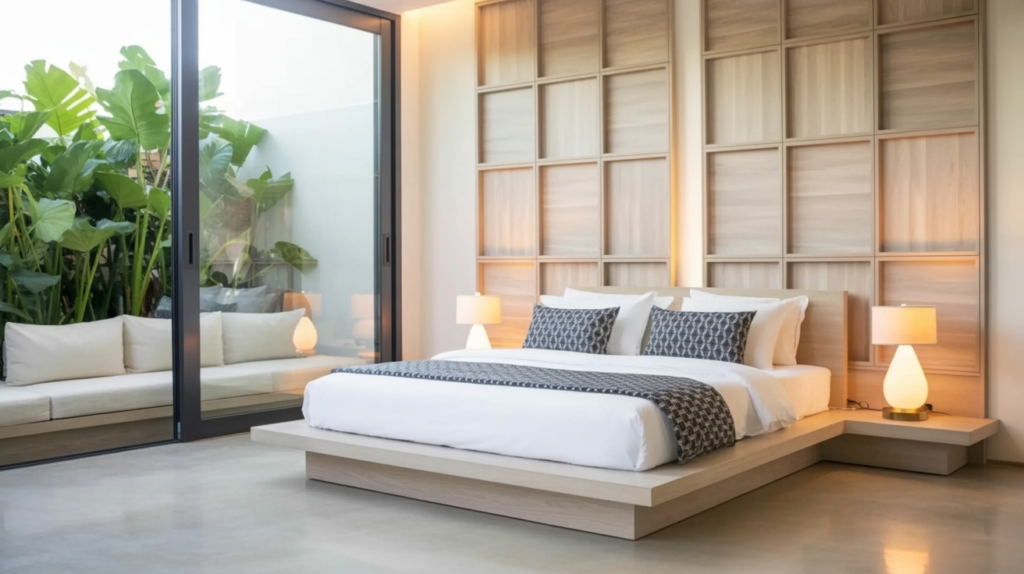
The headboard is often the visual anchor of the bedroom — and a perfect opportunity to create a bold design feature.
At Hatch Studio, every headboard is a bespoke creation — designed not just for comfort, but for character.
The bedside zone should feel effortless — everything within reach, beautifully designed, and clutter-free.
We love layering soft materials and sleek finishes — such as matte wood with brass inlays or fluted drawer fronts with stone tops — to create a touch of indulgence without going overboard.
Lighting is no longer just functional — it’s sculptural, ambient, and deeply atmospheric. The right lighting defines the luxury bedroom mood from morning to night.
We treat lighting like jewelry — it’s the finishing touch that brings everything together.
Luxury doesn’t mean excess — it means every detail is considered, purposeful, and crafted to elevate daily life. By paying attention to these three elements — headboards, bedside zones, and lighting — we transform bedrooms into personalized sanctuaries that feel like a five-star suite, made just for you.
Ready to transform your bedroom into a bespoke retreat?
Let Hatch Studio help you design the details that matter.
In a world that often leans toward bold statements and vibrant colors, we at Hatch Studio embrace the beauty of subtlety. A muted palette doesn’t mean sacrificing personality — it means leaning into refinement, depth, and versatility. When done right, soft tones can be far more powerful than loud ones. They invite calm, exude luxury, and stand the test of time.
Here’s how we use muted palettes to elevate interiors into serene, sophisticated sanctuaries.
When people think of neutrals, they often picture plain whites or safe greys. But a muted palette is much more nuanced — think greige, bone, ash, sand, clay, dove blue, or sage green. These tones carry quiet depth and create a harmonious base for any room.
At Hatch Studio, we use muted palettes as a canvas to:
The magic lies in tone variation, texture, and layering — not loud colors.
Muted tones have a psychological effect. They reduce visual noise and help you feel grounded. In bedrooms, living rooms, or private lounges, this calmness becomes a key part of the user experience.
By keeping the palette restrained, we allow the feeling of the space to take center stage.
With a muted color story, texture becomes your star.
We incorporate:
These materials add interest, contrast, and visual rhythm without relying on color. Every surface invites touch — making the space not just seen, but felt.
Texture in muted tones tells a more elegant story than color alone ever could.
Muted interiors act as a subtle stage, allowing curated elements to shine — like art, lighting, or sculptural furniture.
For instance:
Trends fade. Neutrals endure.
Muted palettes never go out of style because they’re not tied to seasonal fads. Whether you’re designing a home meant to last a decade or staging a commercial space for maximum longevity, soft hues ensure the interiors age beautifully.
A muted palette doesn’t whisper because it’s afraid — it whispers because it knows its worth. At Hatch Studio, we believe that soft interiors are where the boldest design choices truly shine — through form, texture, and intent.
If you’re looking to create a space that feels refined, grounded, and quietly luxurious — soft and neutral may be the strongest statement you ever make.